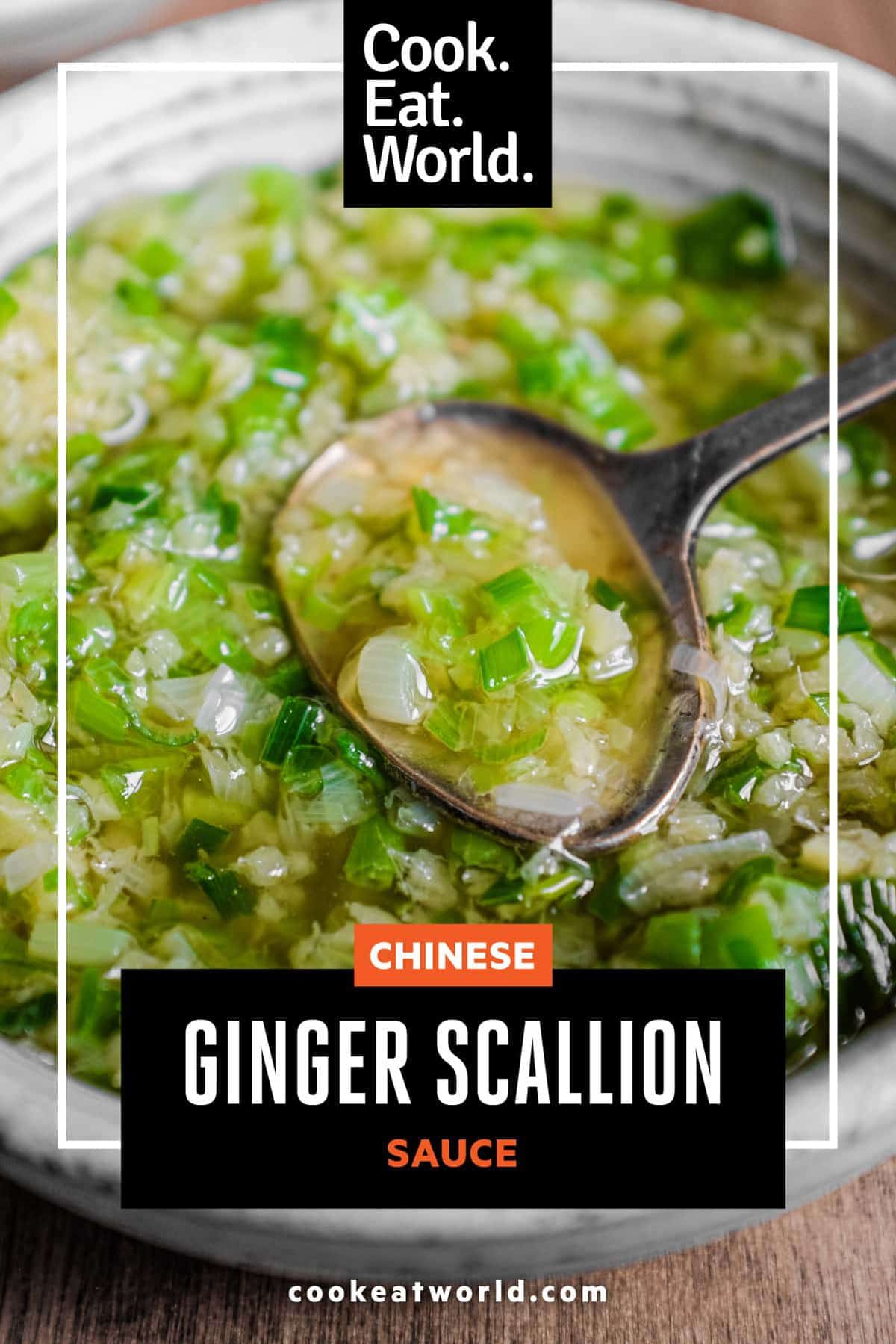
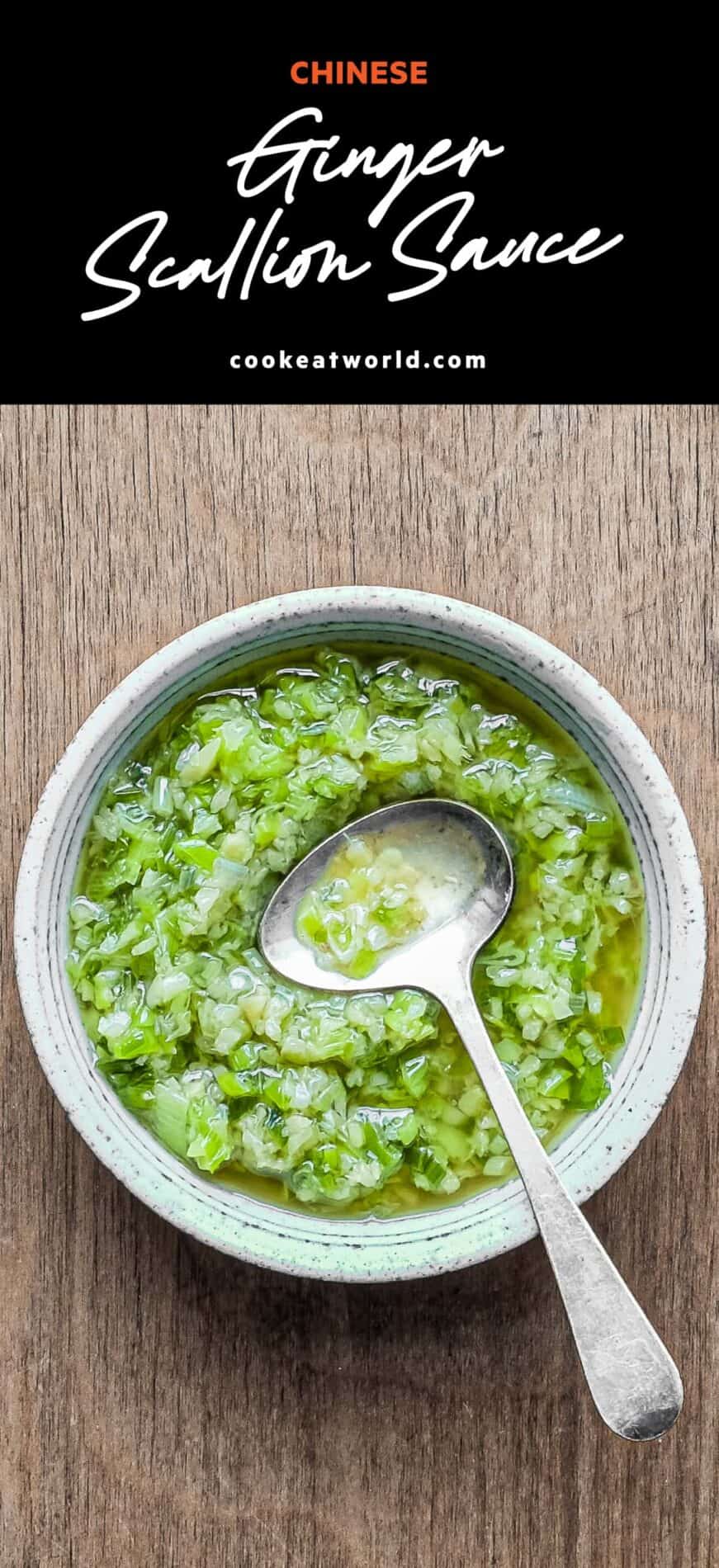


Ginger Scallion Sauce
By Lee Jackson ↣ Published on: January 14, 2024
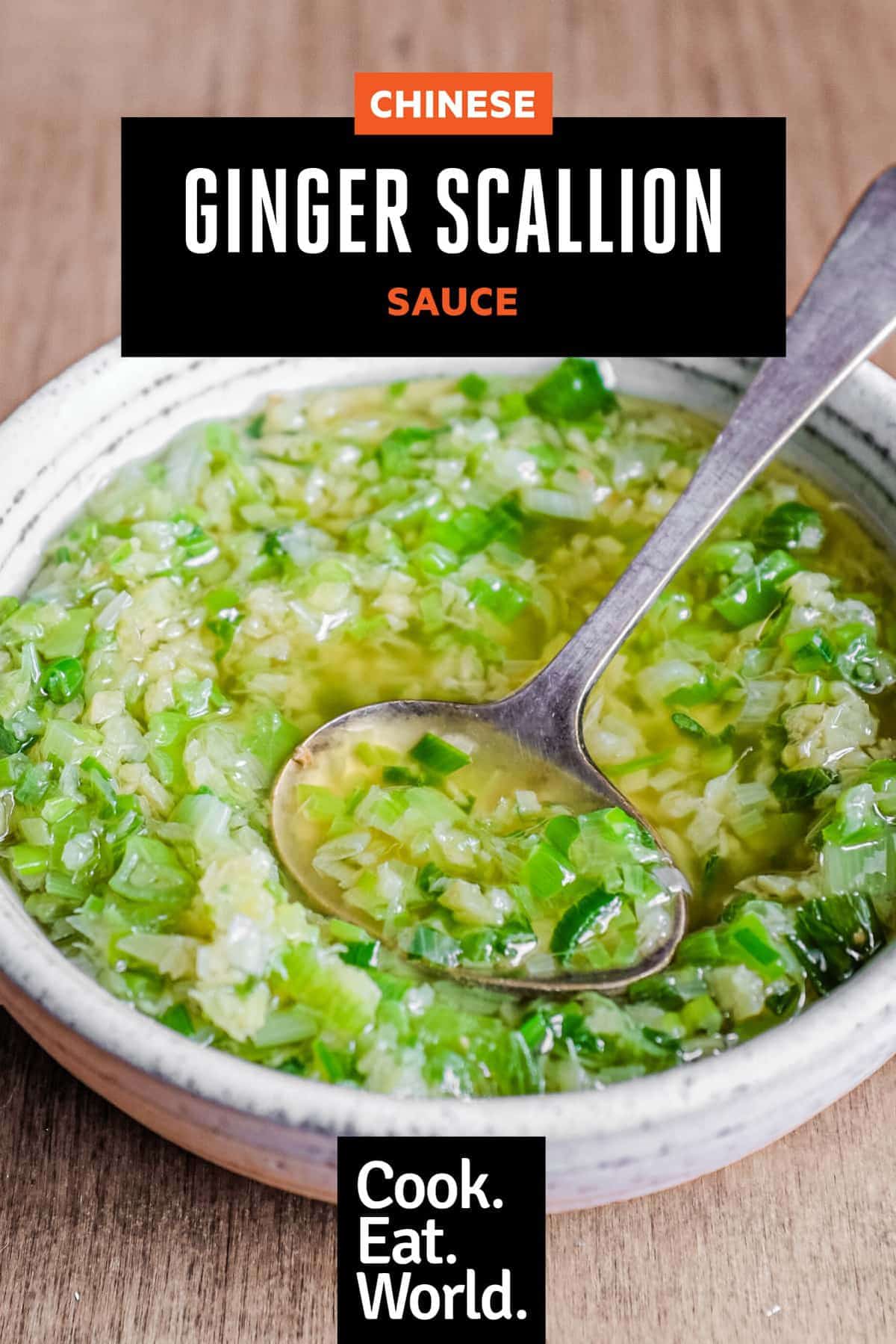
One of my ESSENTIAL Chinese condiments is this sensational ginger & scallion sauce. An unassuming yet intensely flavourful recipe that delivers big, bold results. It’s especially popular as a sauce for chicken and rice dishes, where its fresh, aromatic flavour complements beautifully.

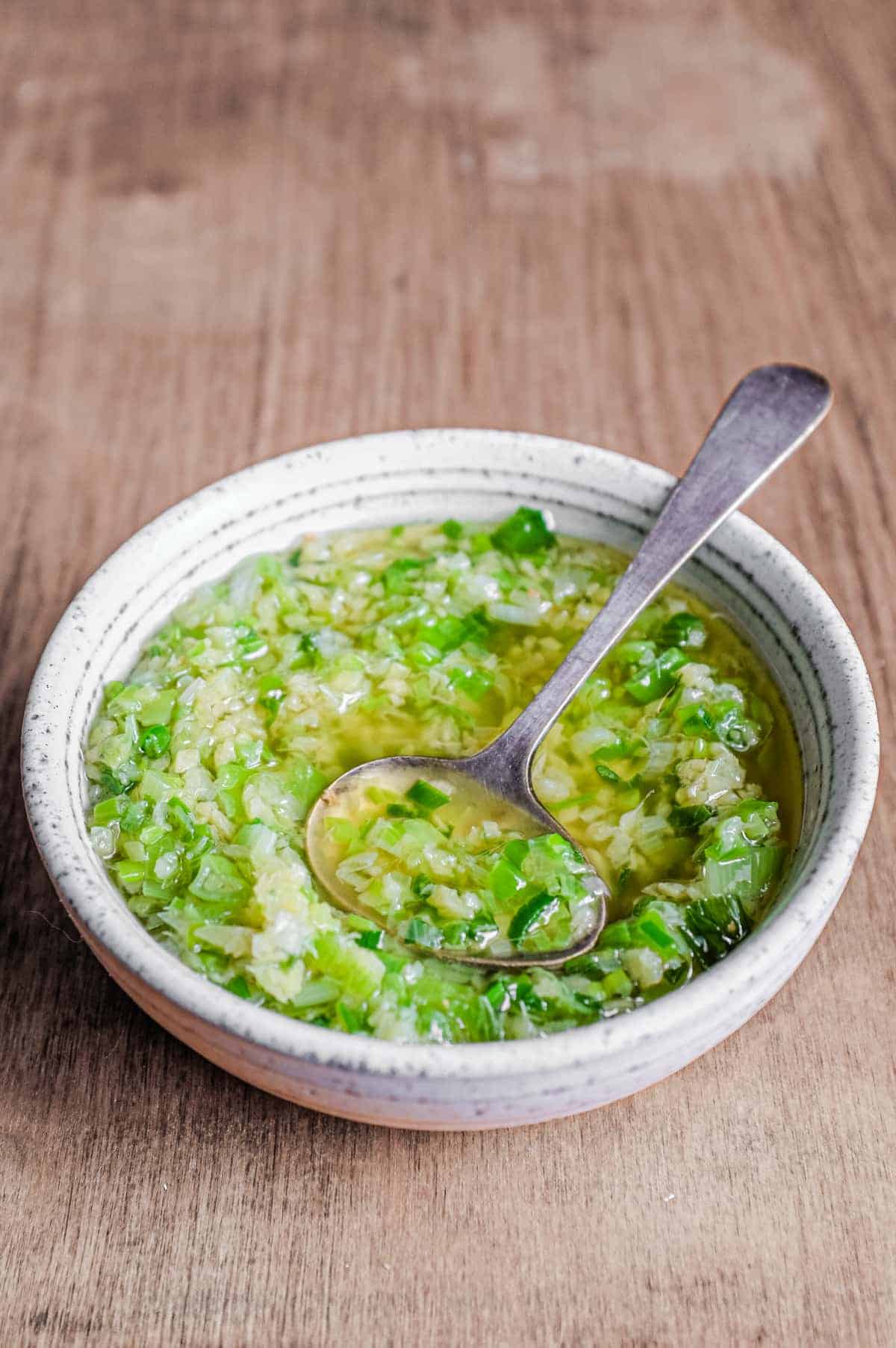
Ginger scallion sauce (姜葱酱) is a classic Cantonese condiment made with fresh ginger and scallions simmered briefly in oil. It’s most famously served with chicken dishes like Hainanese chicken rice, but works just as beautifully spooned over rice, noodles, vegetables or grilled meats.
It's packed (and I mean packed) with flavour with a smoky hint of sesame. The great news is that ginger scallion sauce is super easy to make at home. It keeps for a while in the fridge too, so you can make sure you have it at hand whenever Chinese is on the menu.
This recipe belongs to my Asian and Asian Stir Fry collections, featuring more delicious dishes to explore.
What's Ahead?
What is Ginger Scallion Sauce used for?
Ginger scallion sauce isn’t just a condiment — it’s a flavour booster used across Chinese cooking to bring freshness, aroma and depth to simple dishes. You’ll most often find it served with:
- Steamed or poached chicken
- Rice and noodle dishes
- Dumplings and wontons
- Grilled or roast meats
- Simple vegetable sides
I especially love it with eggs, try it with my Egg Foo Young recipe where it really shines.
Ginger Scallion Sauce for Hainanese Chicken
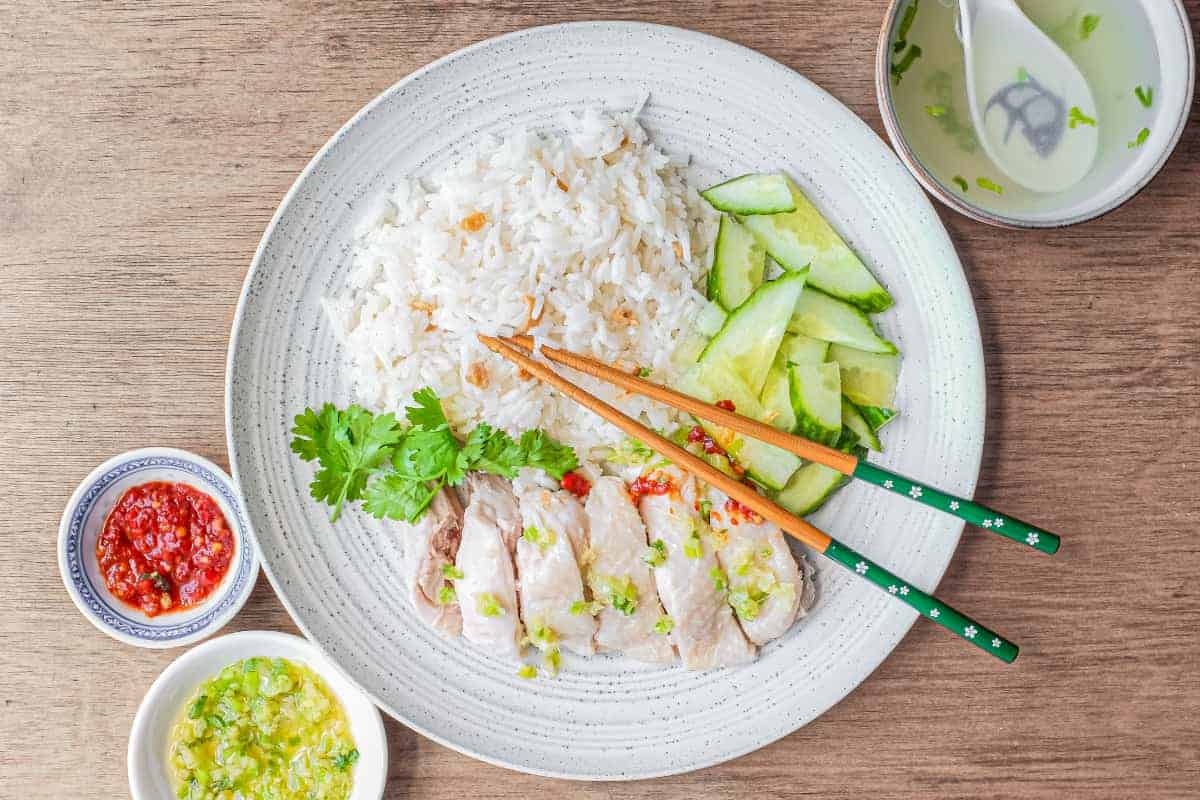
One of the most iconic uses for ginger scallion sauce is alongside Hainanese chicken rice, where it’s served as one of the essential accompaniments.
Traditionally, you’ll find three sauces on the table:
- Ginger scallion sauce
- Chilli sauce
- Dark soy sauce
This version is perfect for recreating that experience at home — fresh, fragrant and designed to lift simple poached chicken into something super-special.
WHAT ARE SCALLIONS?
This is a VALID question! This vegetable would seem they have a million names around the English speaking world. I know them as spring onions, but I’ve heard them referred to as ‘Scallions’, ‘Green Onions’, ‘Bunching Onions’, ‘Welsh Onions’, ‘Green Shallots’, ‘Gibbons’ and ‘Escallions’. It’s exhausting, especially when trying to write a recipe for everyone in the world.
I’m sticking with scallions for this recipe as this is generally what the sauce is called, regardless of what you call the actual vegetable. I’ve shown you a picture below too so there can be no confusion! Got it? Good.
Why it works?
- It's intensely flavourful - Like any good condiment, ginger scallion sauce packs a punch. A balance of fragrant sweetness, sharpness and savoury depth that enhances anything it touches. I would eat it as a main course if left unsupervised.
- It's quick and easy - Just ginger, scallions, oil, salt and a touch of sesame oil. Minimal effort, maximum payoff.
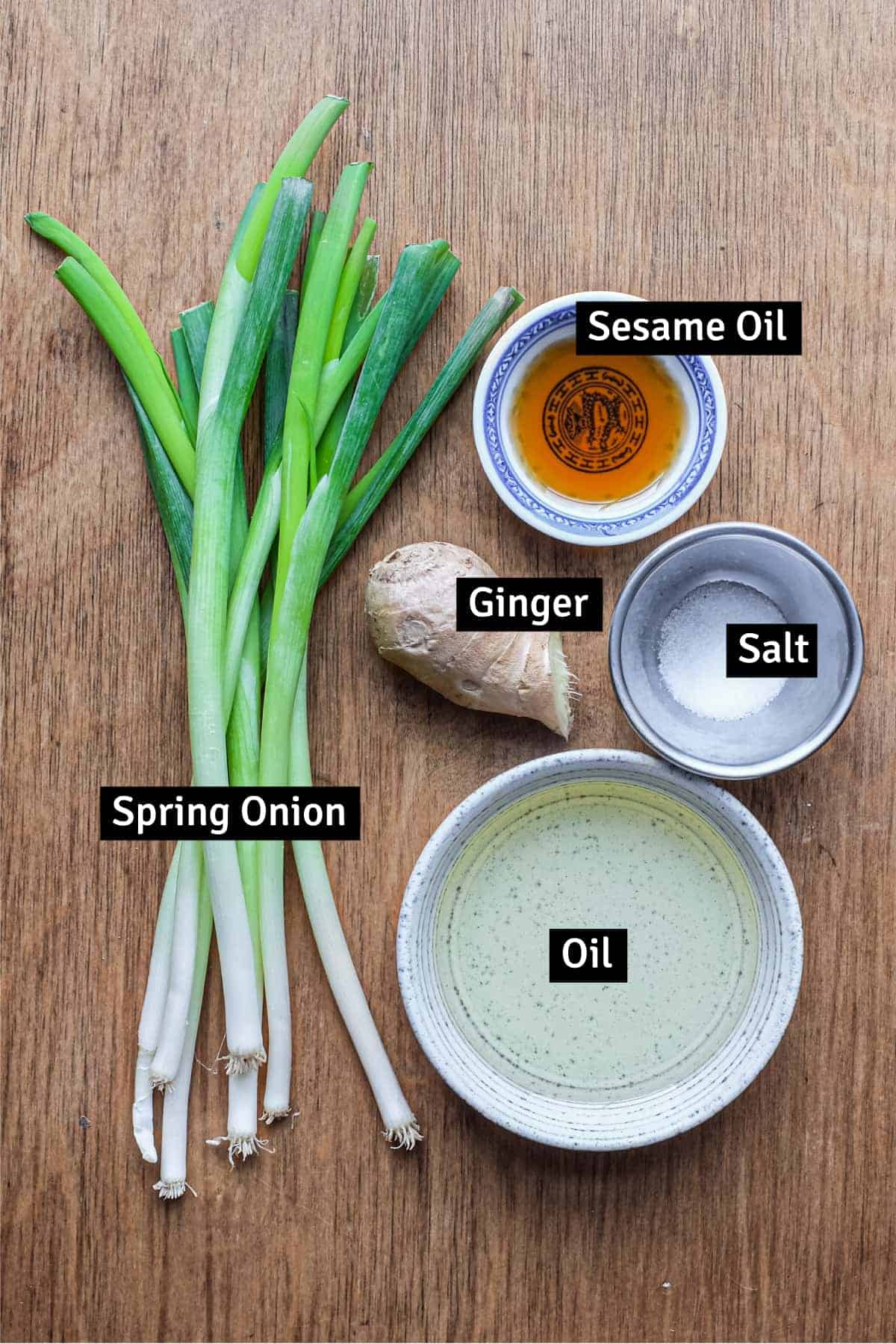
Ingredients You'll Need
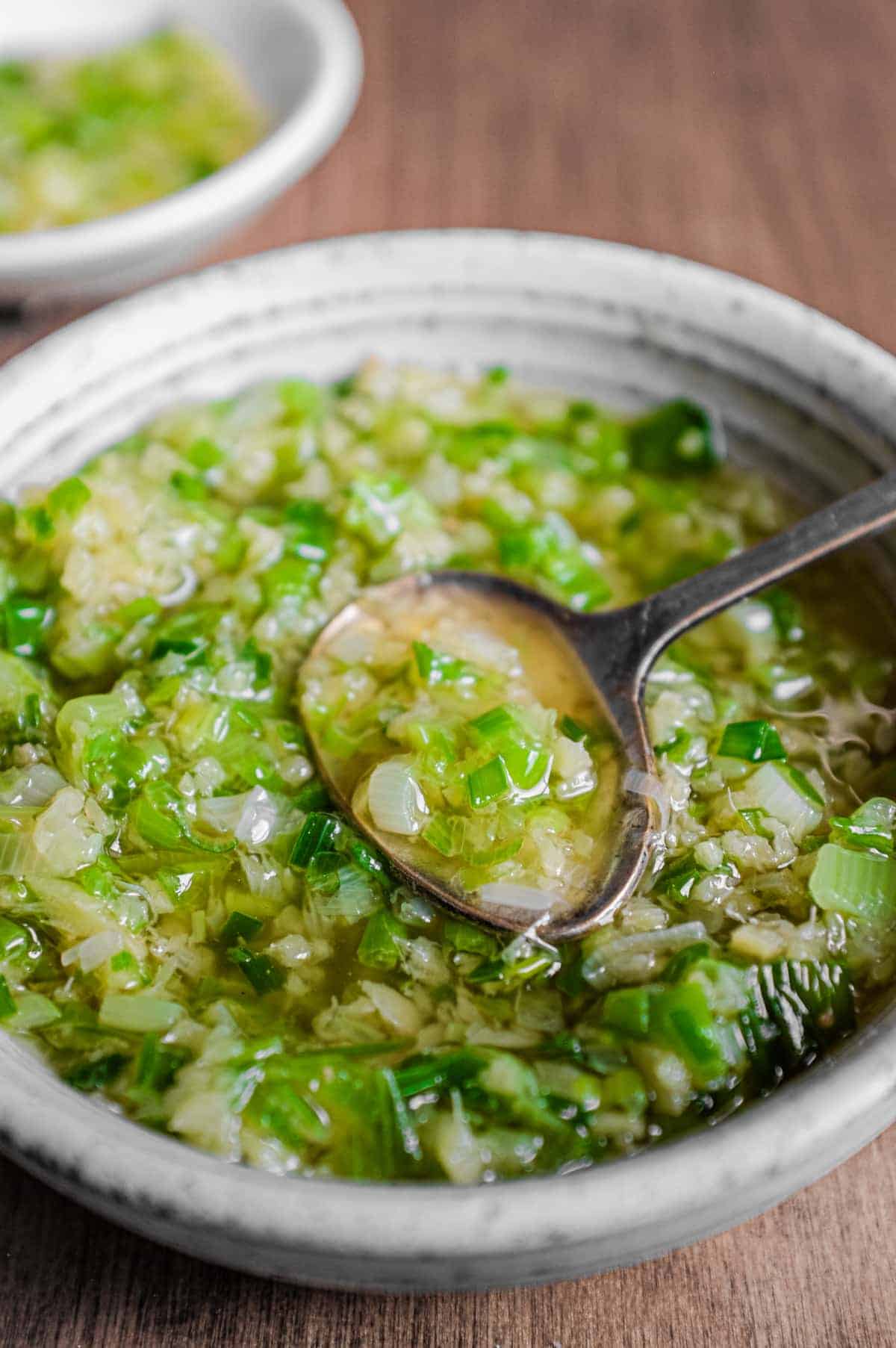
There are only 5 ingredients to make ginger scallion sauce, the quantities give the perfect balance of onion and ginger fragrance with a light note of smoky nuttiness.
-
Scallions – bring freshness and mild onion flavour
- Ginger – the backbone of the sauce; young ginger if you can find it
- Oil – I use peanut oil, but vegetable or sunflower work well
- Sesame oil – added at the end for aroma
- Salt – essential for balance
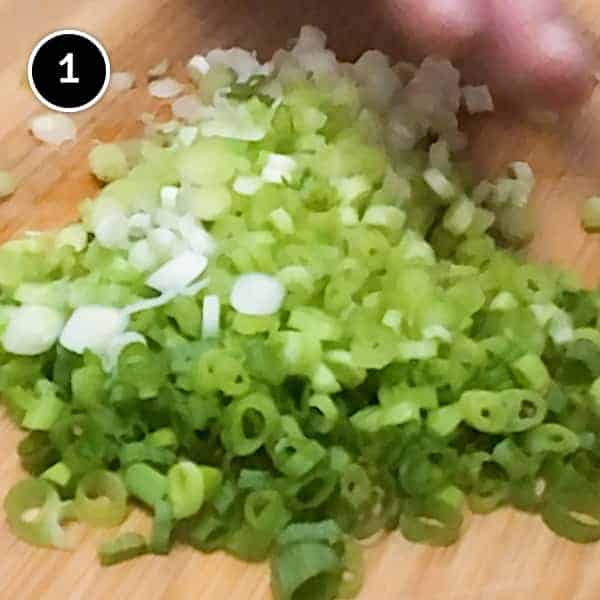
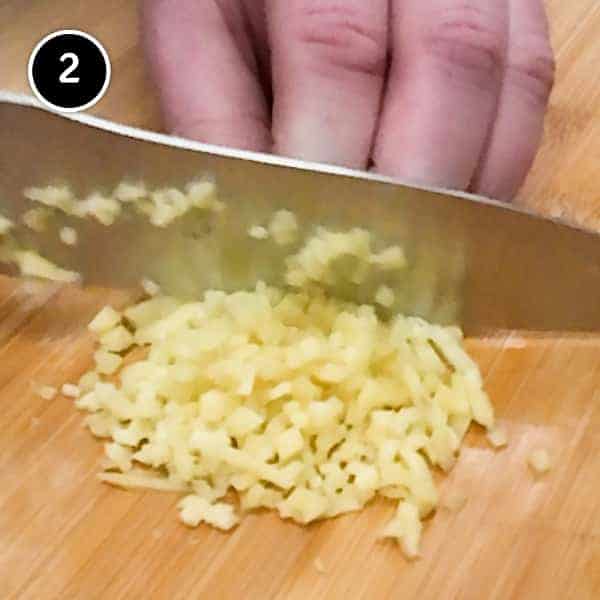
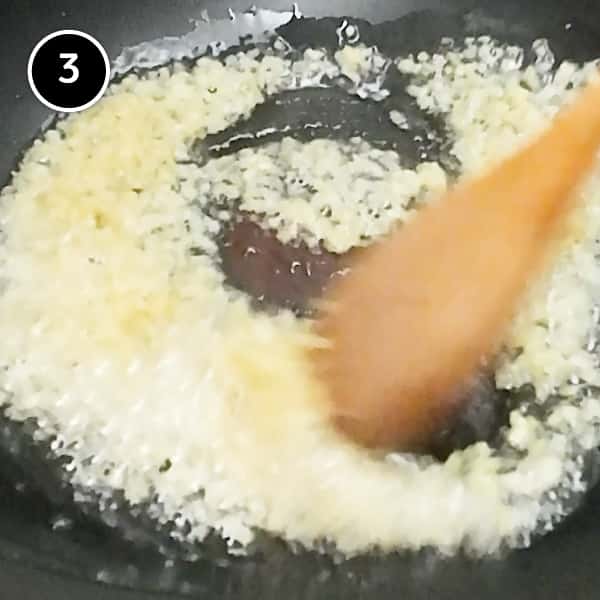
Step by Step
Making this sauce at home is super easy and fast. We're not looking to cook either of the ingredients, merely adding to the oil briefly to help impart their flavour. You can also heat the oil until smoking separately, then pour over the chopped ginger and scallions. Either way is fine, but I prefer to make mine in the wok.
- Chop the scallions finely and set aside.
- Peel the ginger (use a teaspoon, it works well), then slice and finely dice. Be sure it's as fine as you can for the best texture and flavour.
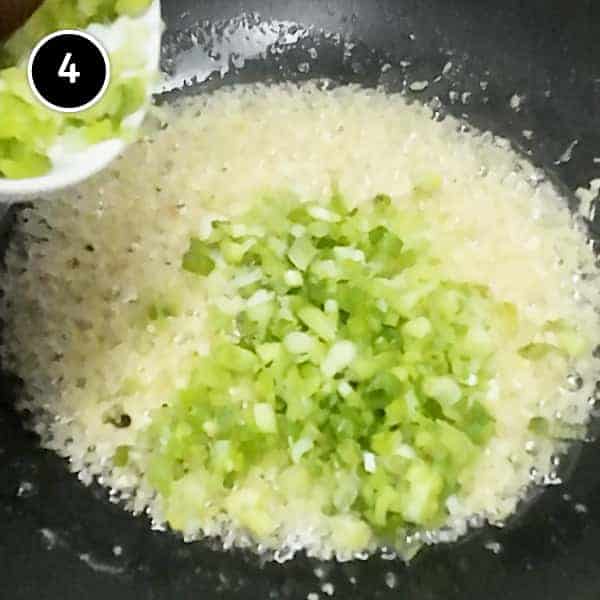
- Heat the oil in a wok until just rippling, then add the ginger. Let it sizzle for 5-10 seconds.
- Add the scallions and then let them sizzle for 10-20 seconds. Tip everything to a bowl.
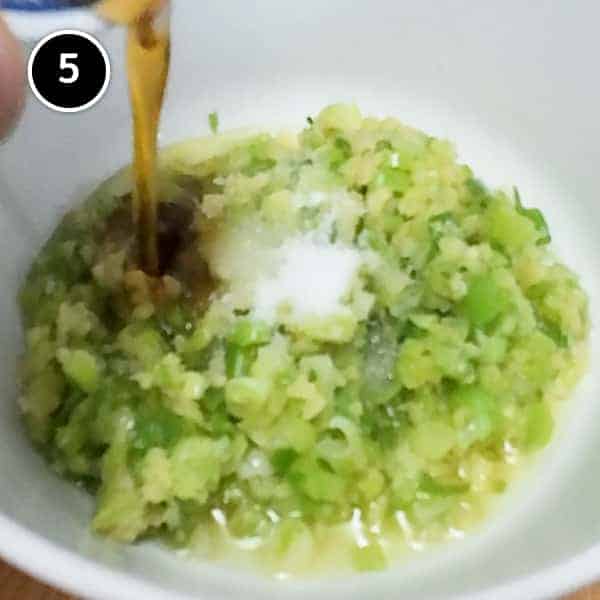
- Leave to cool for 5 minutes, then add the salt and sesame oil and stir well. Leave to cool completely. Decant to a jar and refrigerate if you're using later.
Note: be careful to not overcook the ginger and onion. They need hardly any cooking, many cooks slip up at this stage and cook them too long.
Two ways to make the sauce
There are two common methods to prepare — both are authentic and deliver excellent results:
- Method 1 – Hot Oil Pour (Restaurant Style) — Finely chop the ginger and scallions, then pour smoking hot oil over them. This instantly releases their aroma and creates a slightly fresher, punchier sauce.
- Method 2 – Light Fry (My Method) — Gently sizzle the ginger and scallions in oil for a few seconds. This softens the raw edge slightly and creates a more rounded flavour, perfect for that poached chicken!
Tips for the Best Results
-
Chop everything very finely – texture is key
- Don’t burn the ginger or onions – it should sizzle briefly, not brown
- Add sesame oil off the heat – preserves its aroma
- Salt matters – this is what brings everything together. You can also add 1/4 tsp of MSG too for a hit of addictive umami.
- Let it sit – the flavour improves after a few hours
Serving & Storage Suggestions
-
Serving – Best served at room temperature. Spoon over chicken, rice, noodles or vegetables. It also works brilliantly as a dipping sauce for dumplings.
-
Storage – Keep in an airtight jar in the fridge for up to 2 weeks. The flavour actually improves after a day or two.
- Takeout - make this sauce with no meal in mind too. It's great to have on hand if you order Chinese takeout at home. Remember to order an extra portion of rice too, so you can enjoy it the next day with a fried egg and a spoonful of ginger scallion sauce!

Ready to get cooking?
This recipe hardly requires any cooking, but delivers serious flavour for minimal effort. Before I knew this sauce, I always assumed there was some hidden secret behind its incredible taste — but there really isn’t. Just a few ingredients, treated simply, and allowed to shine.
I make it regularly whenever I’m cooking Chinese food, and always double the batch so I’ve got it ready to go. Ginger scallion sauce is your secret weapon — a small jar of big flavour that transforms even the simplest meals.
More Chinese recipes
If you a fan of Ginger scallion sauce, I'm sure you'll love more of my favourite Chinese recipes.
- Hainan Chicken and Rice
- Duck Congee
- Sticky Baked Chinese Chicken Wings
- Chinese Xinjiang Lamb Skewers
Any Questions? (FAQ)
Have a question about Ginger scallion sauce? Let me know in the comments.
What oil is best for ginger scallion sauce?
Neutral oils like peanut, vegetable or sunflower oil work best. Avoid strong oils like olive oil.
Can I make ginger scallion sauce without sesame oil?
Yes, but sesame oil adds a key aromatic note. If possible, keep it in.
Why is my ginger scallion sauce bitter?
The ginger may have been overcooked or burned. Keep the heat brief and gentle.
Can I use spring onions instead of scallions?
Yes — they're the same thing, just different names depending on where you are.
How long does ginger scallion sauce last?
Up to 2 weeks in the fridge in an airtight container.
This recipe uses affiliations and may receive a commission based on your activity (link clicks). Learn more.

Ingredients
- 75 g scallions spring onion/green onion (very finely chopped)
- 50 g ginger very finely chopped
- 6 tbsp peanut oil
- 1 tbsp sesame oil
- 1 tsp salt
Instructions
- Heat the oil in a wok over a moderate heat until just rippling.
- Add the ginger and let it sizzle for 5-10 seconds.
- Add the spring onion and let it sizzle for 10-15 seconds. Remove from the heat.
- Tip everything into a bowl and leave for 5 minutes to cool a little.
- Add the salt and sesame oil and stir well. Leave to cool completely.
- Decant to a sealable container or glass jar and refrigerate until needed.
Notes
- Serving: Ginger Scallion Sauce works with so many Chinese recipes. Try it over eggs, especially my recipe for chicken egg foo young (visit cookeatworld.com for that recipe).
- It's great served as a dressing for noodles, rice and dumplings too.
- Storage: In the fridge, I generally keep mine for up to 2 weeks in a airtight container or jar. I don't freeze it, it doesn't work.
Nutrition
Leave A Comment