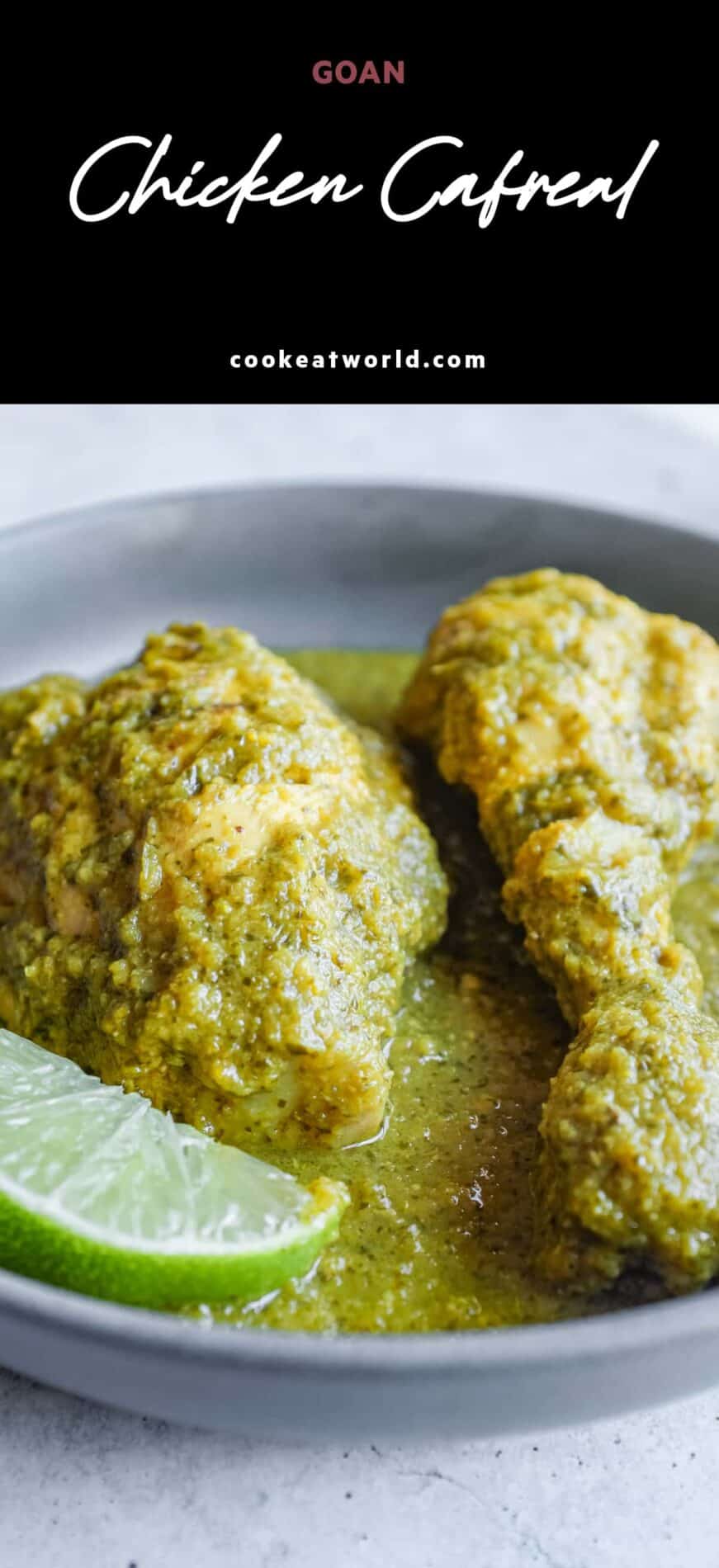



Goan Chicken Cafreal
By Lee Jackson ↣ Published on: July 14, 2026
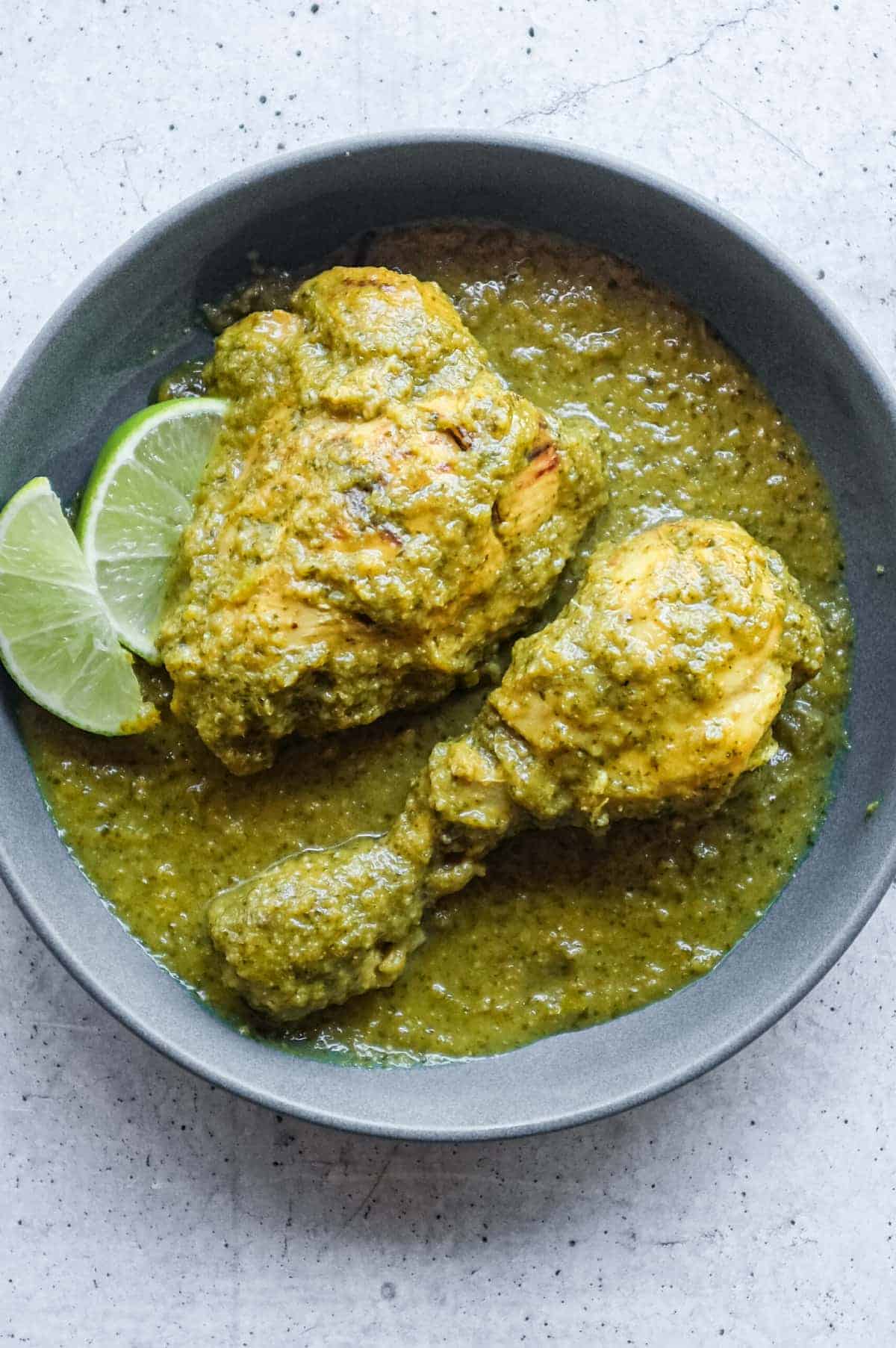
This fresh and tangy Goan chicken cafreal has its roots in multiple cuisines, and delivers a unique and vibrant curry that I just can’t get enough of. Juicy, herbaceous and spicy too! My chicken cafreal is a regular curry for a reason!
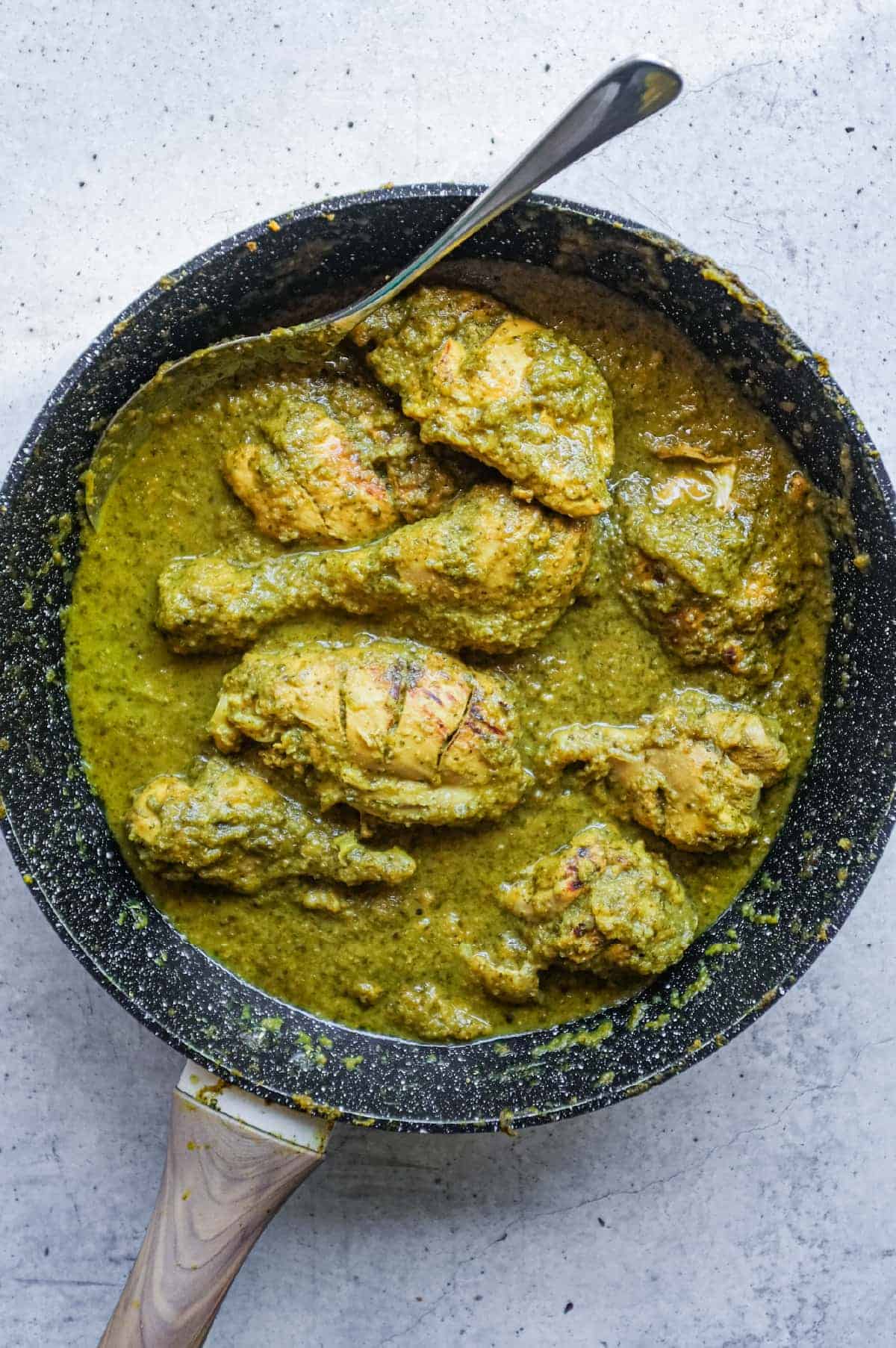
The moment I tried this amazing Southern Indian chicken dish in Goa, way back in 2009, I just knew it would become a staple. After all that time, it's still on my menu, and for good reason. It's one of the easiest, low maintenance curries I cook regularly, and it packs a punch of personality.
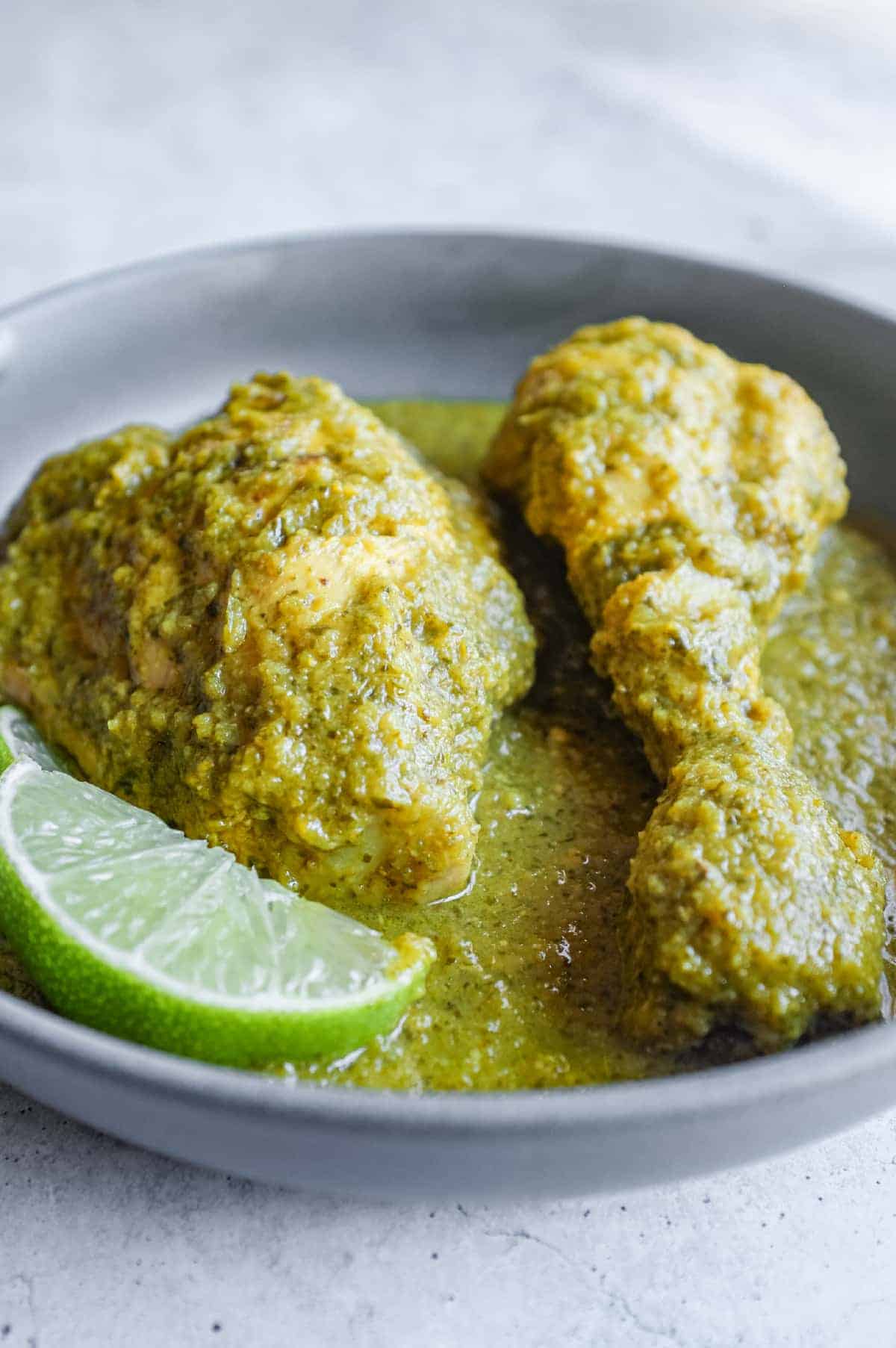
Chicken Cafreal is a curry with a difference, it's thick and glossy, with a sauce that clings to the juicy chicken pieces but it's not your ordinary curry. It's often called Goan green chicken curry, and has colonial Portuguese influences like vinegar that combine with local herbs and spices to create a unique dish.
Being from Goa, you can expect an authentic chicken cafreal to be pretty spicy! At home, it's as hot as you like, or dare. I love spicy food, and this recipe often gets the full fire treatment, but on occasion I'll hold back and create a more fragrant offering. Both are triumphs of flavour. Read below for my tips to give you the flexibility to dial up the heat or not.
One thing is for sure, this verdant delight, not often seen on menus outside India, is one of my favourite Indian recipes to make at home. This delicious recipe is part of my Indian Collection, where you'll find more delicious dishes just like it.
What's Ahead?
What is Chicken Cafreal?
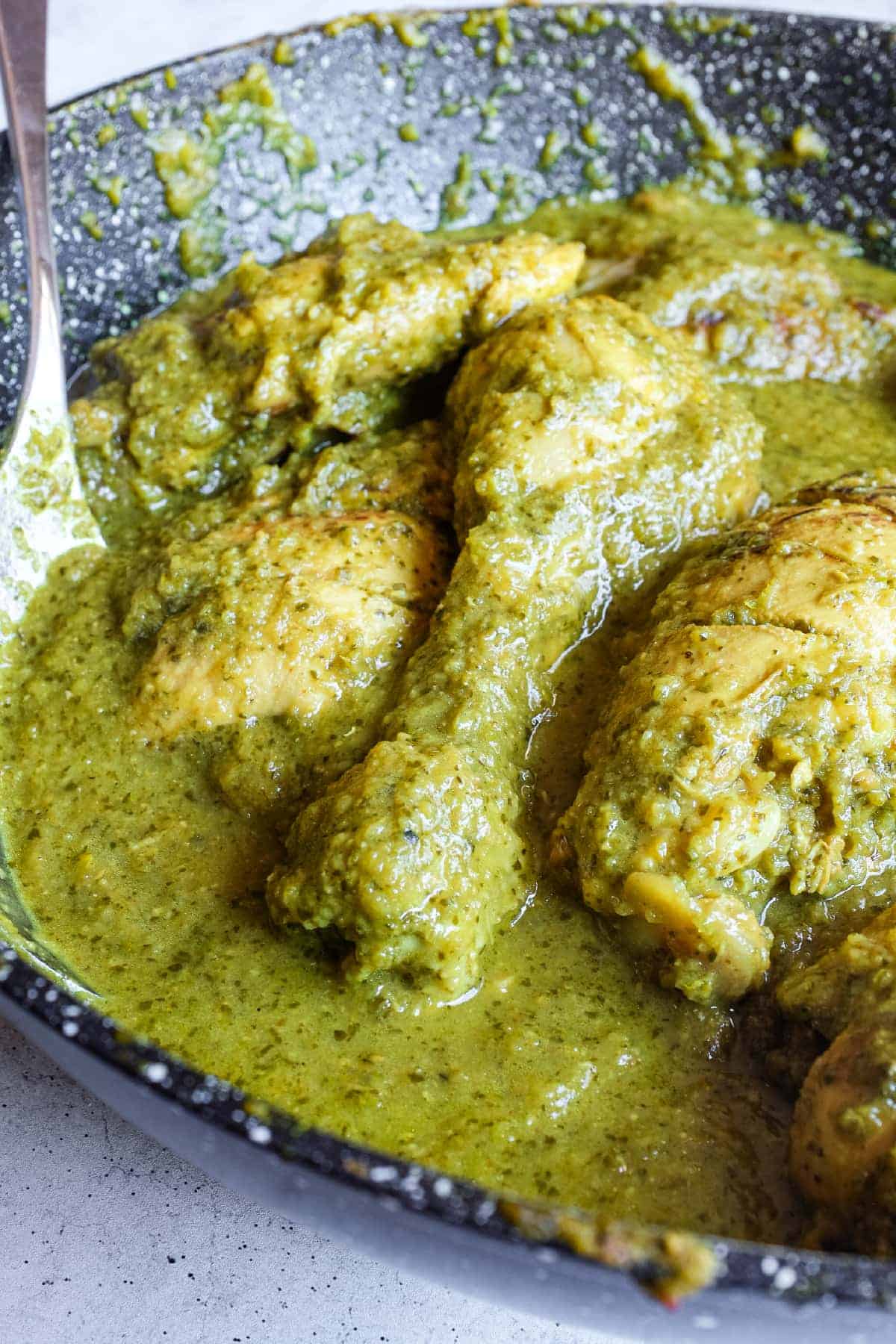
Chicken Cafreal is one of Goa’s most iconic dishes (alongside Vindaloo) and a wonderful example of the region’s rich culinary heritage. While it’s often described as a green chicken curry, it’s quite unlike the rich, sauce-heavy curries found elsewhere in India. Instead, the chicken is coated in a vibrant green masala that delivers bold, fresh flavour in every bite.
The dish has a fascinating history that stretches across three continents. It is believed to have been introduced to Goa by the Portuguese, who adapted a chicken recipe from Mozambique, then part of the Portuguese Empire in East Africa. Over time, Goan cooks transformed it using local ingredients such as fresh cilantro (coriander), green chillies, garlic, ginger and aromatic spices. Even the name cafreal is thought to reflect its East African roots.
Chicken Cafreal is marinated before being pan-fried or roasted, allowing the herb-packed masala to caramelise around the chicken rather than forming a rich gravy. The result is a dish that’s fragrant, lightly spicy and wonderfully tangy from the addition of vinegar.
Why you'll love it
- It's a bold, fragrant curry that offers something very fresh and unusual in flavour.
- It's authentically Goan, one of the most exciting Indian regional cuisines.
- It's easy to make - just make a marinade and cook the chicken in it. That's it!
- It can be cooked on a stove top or in the oven.
ingredients You'll Need
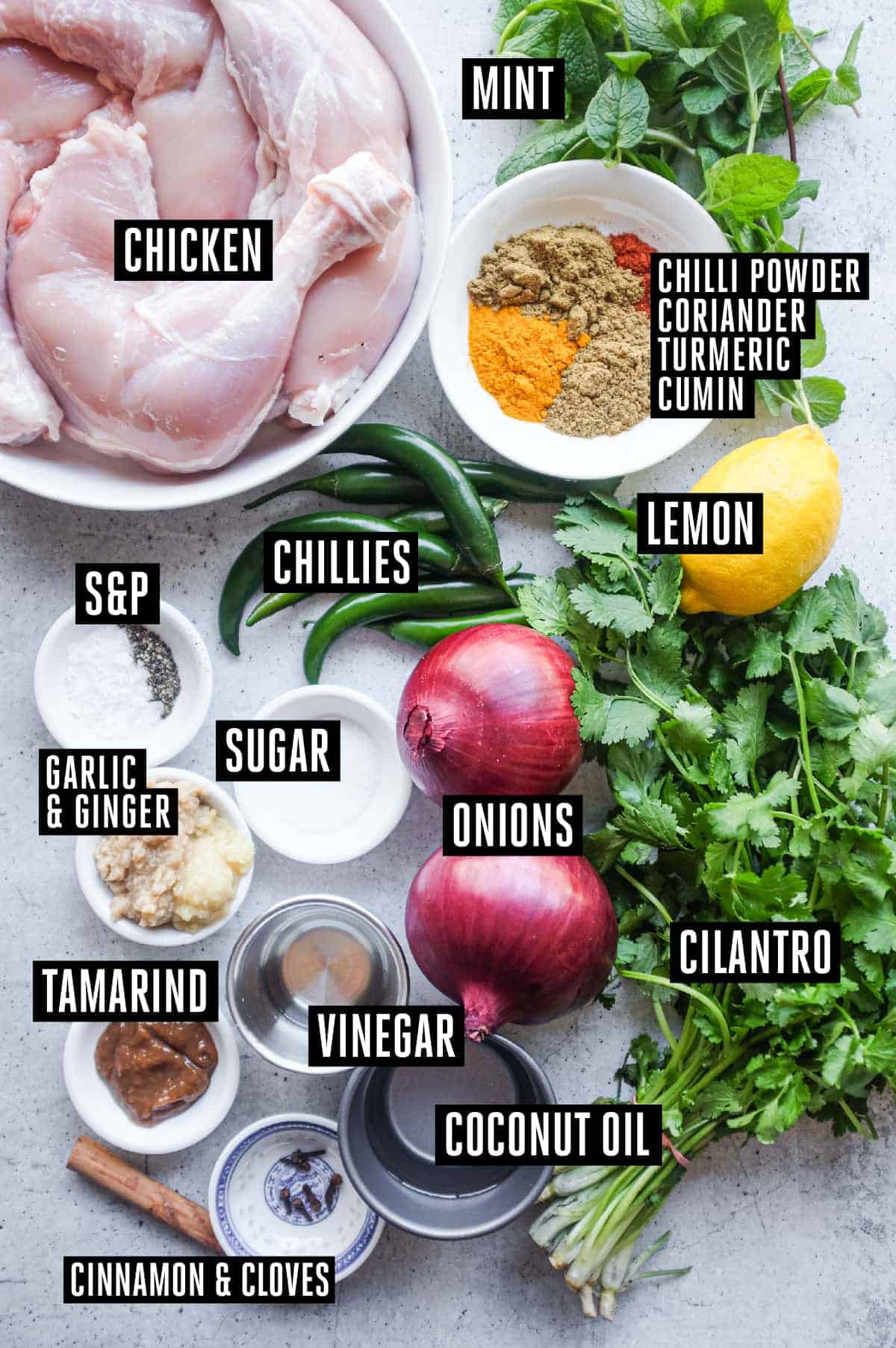
If you cook Indian food a bit, this recipe features ingredients you'll have at hand. Nothing out of the ordinary. Here's what you'll need to get started:
- Chicken - traditionally bone-in chicken pieces are used. It brings more flavour, thighs and legs offer the best texture when cooked - I choose chicken marylands and cut into large pieces.
- Fresh Cilantro & Mint - this is essential to bring the herbaceous fragrance and flavour.
- Green Chillies - bring more of the colour, but also heat - you can use hot or mild chillies to help dial the spice levels up or down. I typically use a medium spiced chilli for the best control.
- Spices - Chilli powder (hot), coriander, cumin and turmeric are used as powder alongside whole spices; cinnamon and cloves.
- Aromatics - onion, garlic and ginger give the backbone to the sauce.
- Highlight ingredients - tamarind adds a sour note to the sauce and vinegar (typically coconut 'toddy' vinegar) adds more sour alongside its unique tanginess. Use apple cider or white wine vinegar as a substitution.
- Coconut oil - is traditional, but vegetable or sunflower oil is fine too.
Step by Step
This is such a simple curry to pull together. I typically use the stove top, but this cafreal can also be baked in the oven. Just make sure to use an oven-proof pot.
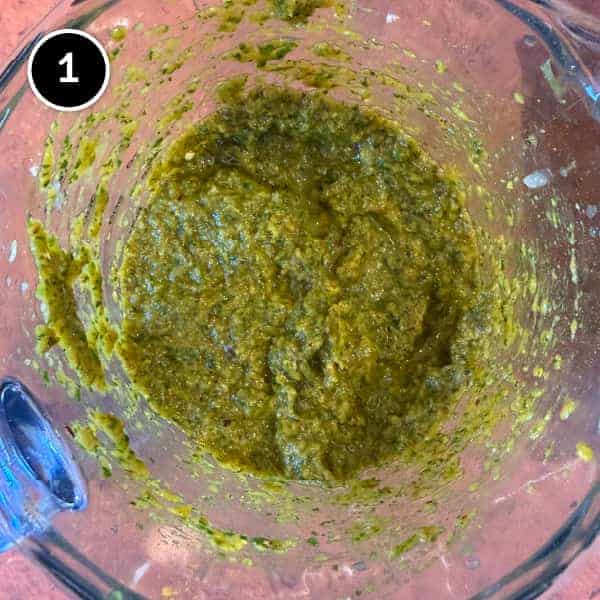
- Step 1 - Combine all the marinade ingredients and blend until semi-smooth.
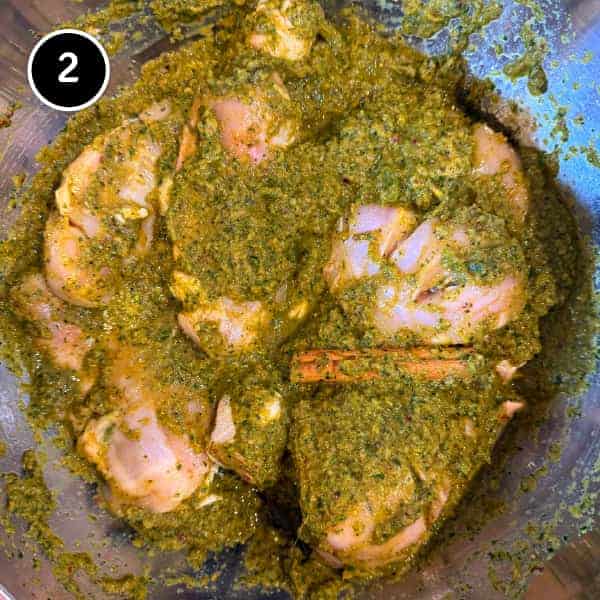
- Step 2 - Marinate - Make some deep cuts into the chicken (to help with marination). Coat the chicken in the marinade and throw in the cinnamon and cloves too. Cover and refrigerate between 4-24 hours - the longer the better.
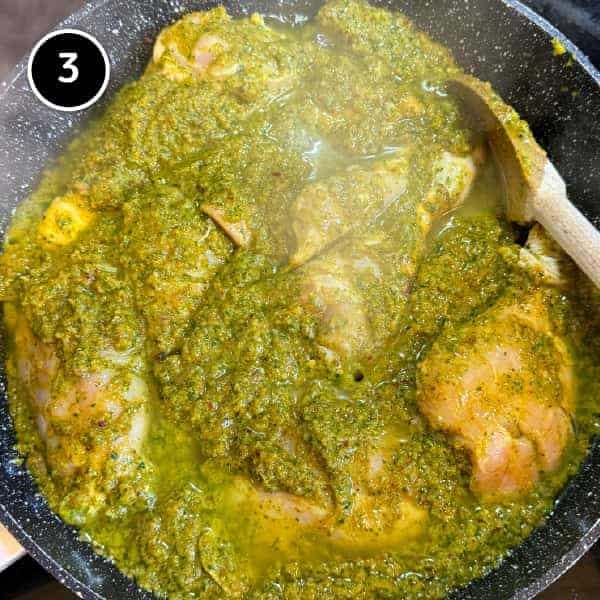
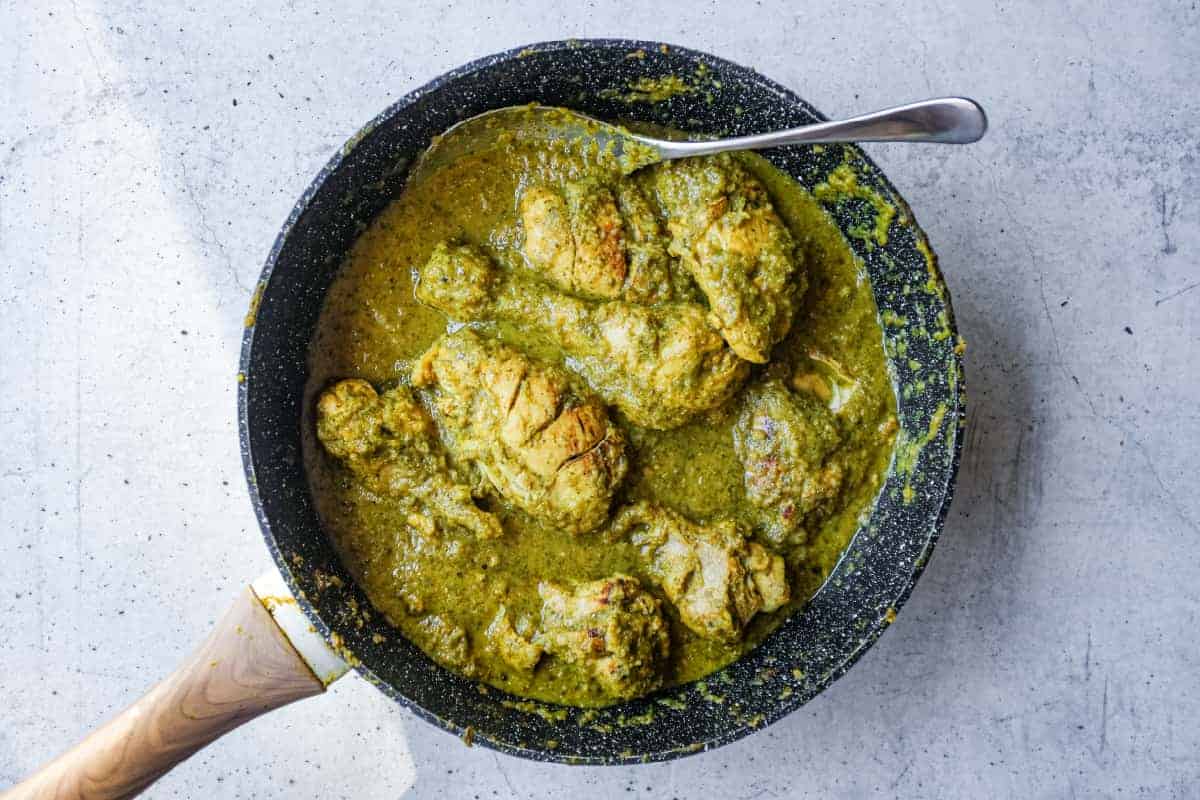
- Step 3 - Cook - Heat the oil in a large pan or pot until hot. Add the chicken and marinade and let it sizzle for 5-8 minutes, turning occasionally. Let it come to a vibrant bubble.
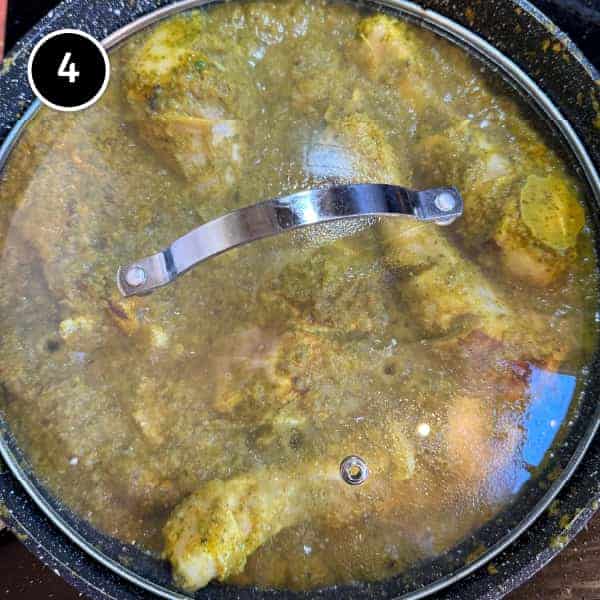
- Step 4 - simmer - Turn down the heat to low and cover the pan with a lid. Cook the chicken for 30-40 minutes until the chicken is fully cooked. In the last 10 minutes, remove the lid to thicken the sauce. Remove from the heat and serve.
Pro Tips - things I've learned over time
- Oven cooking - Cook on the stove top or in the oven using a cast iron Dutch oven or oven-proof pot. Add the chicken and its marinade to the pot and put on the lid and cook in a 180º/350ºF oven for 1 hour, stirring once or twice during that time.
- Mixing the herbs - This dish uses cilantro as the predominant flavour, but I have switched emphasis to mint on occasion, usually when I have a glut in the garden, and it's superb. I've also added fresh fenugreek leaves for truly distinct flavour and also more than a couple of handfuls of fresh curry leaves on occasion, because I just love the flavour.
- Thali dishes - I always have leftovers in the freezer and when I have a few different curries, I'll defrost and create a thali feast. Typically I'll have 1-2 meat curries, a paneer or vegetable curry and a dal curry then add some breads or rice and a yoghurt raita and simple salad. The idea is small amounts of each to create a whole fulfilling meal.
Serving & Storage Suggestions
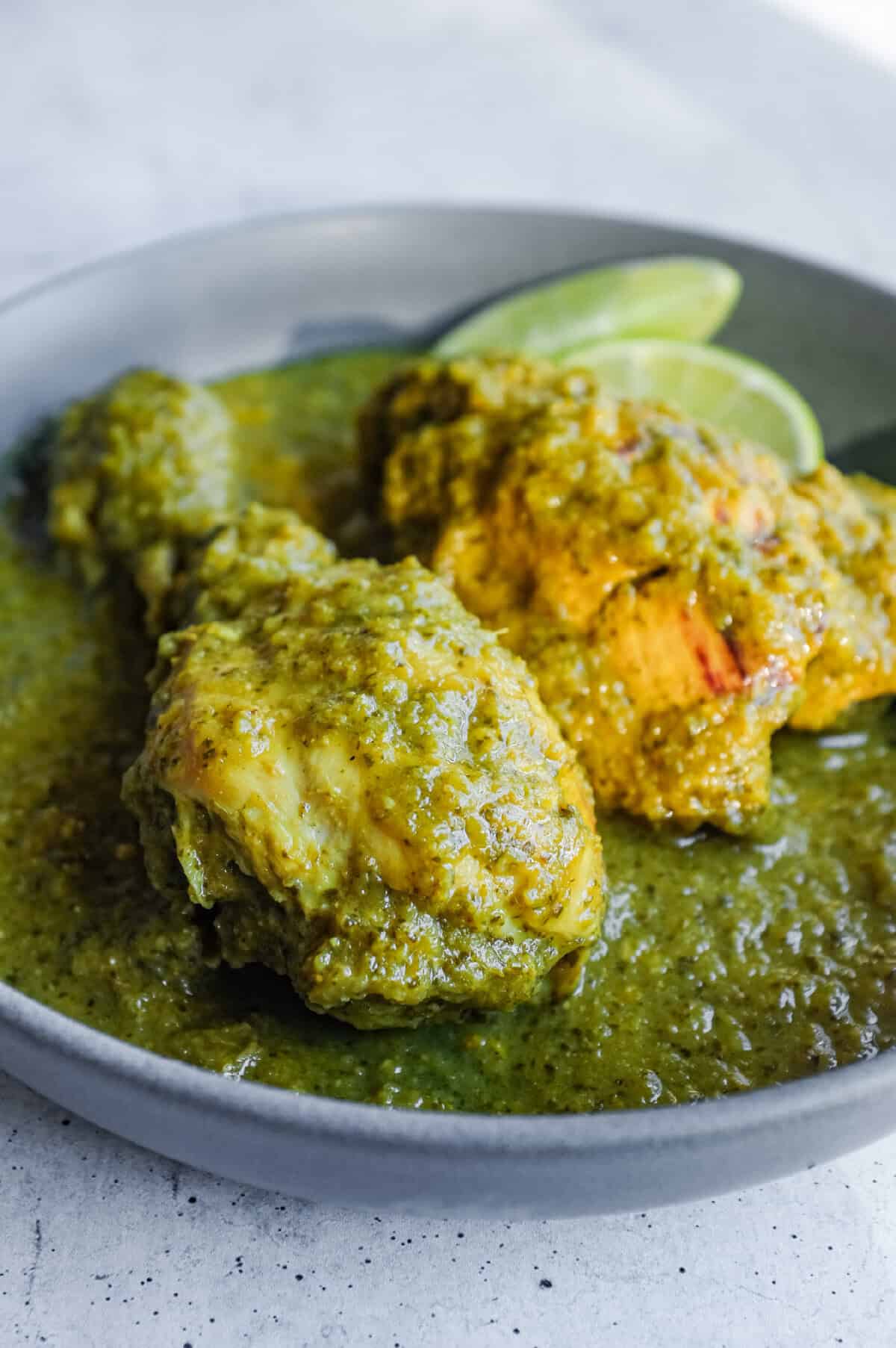
- Cafreal is traditionally served with Poi, a traditional Goan wholewheat bread (use Pita bread as a substitute) or Pão (Pav) a soft dinner roll. You can also use roti or naan, or indeed fluffy basmati rice.
- A little fresh lemon or lime on the side adds a fresh zing to the plate.
- The curry will improve with age (up to 4 days, covered) in the fridge.
- It's a great contender for freezing. Divide into portions and freeze for 3+ months. Reheat in the microwave for 5-6 minutes. Add a splash of water when reheating to avoid it drying out or burning.
Ready to get cooking?
For a dish to stand out in a cuisine as diverse and exciting as Indian, it really must be special. Chicken cafreal is just that - fresh, vibrant, fragrant and above all completely delicious. It's definitely one of my most favourite curries to cook at home. Once you try, I'm sure you'll agree.
More South Indian recipes
If you liked this recipe for Chicken Cafreal, I'm sure you'll love some more of my favourite South Indian recipes.

(FAQ)
Have a question? Let me know in the comments.
Is Chicken Cafreal very spicy?
Traditionally, yes. Chicken Cafreal is known for its bold heat from fresh green chillies and chilli powder. That said, it's easy to adjust the spice level by using milder chillies or reducing the amount of chilli powder without losing the dish's vibrant flavour.
Why is Chicken Cafreal green?
Its distinctive green colour comes from fresh cilantro (coriander), mint and green chillies blended into the marinade. Unlike many Indian curries that rely on tomatoes or turmeric for colour, Cafreal gets its vibrant appearance entirely from fresh herbs.
Can I make Chicken Cafreal ahead of time?
Absolutely. In fact, it's even better made in advance. Marinate the chicken for at least 4 hours, or preferably overnight, before cooking. Leftovers also develop even deeper flavour after a day in the fridge.
What should I serve with Chicken Cafreal?
Traditionally, Chicken Cafreal is served with Goan poi bread or soft pão (pav) rolls. It's equally delicious with fluffy basmati rice, naan, roti or pita bread, along with a squeeze of fresh lime.
Can I freeze Chicken Cafreal?
Yes. Allow the curry to cool completely before freezing in airtight containers for up to 3 months. Defrost overnight in the refrigerator and reheat gently with a splash of water to loosen the sauce if needed.
This recipe uses affiliations and may receive a commission based on your activity (link clicks). Learn more.
Ingredients
Marinade
- 2 medium red onions chopped
- 2 tbsp garlic minced
- 1 tsp ginger minced
- 1 tbsp tamarind pulp
- 1 tsp ground cumin
- 1 tsp ground coriander
- ¼ tsp hot chilli powder
- 1 tsp turmeric
- ½ tsp pepper
- 1 tsp sugar
- 2 cups cilantro leaves & stalks
- ½ cup mint leaves
- 6 hot green chillies chopped
- 1 tsp salt
- ½ lemon juice of
Other
- 4 chicken marylands (leg & thigh) skin off, cut into thigh/leg pieces. Make deep slashes in the flesh.
- 6 cloves
- 1 cinnamon stick
- 2 tbsp coconut vinegar or white wine/apple cider vinegar
- ½ cup coconut oil or vegetable/sunflower
Instructions
- In a blender, blend the marinade ingredients with 1-2 tbsp water until semi smooth.
- Add the cloves, cinnamon stick and vinegar.
- Coat the chicken pieces and marinate for 4+ hours (24 is best)
- Heat the oil in a pan until hot, then tip everything into the pan. Let it sizzle for 8 minutes, stirring occasionally.
- Turn down the heat to low and cook for another 40 minutes with the lid on until cooked through. Remove the lid for the last 10 minutes to form a thick, glossy masala.
Oven method
- Preheat oven to 180ºc/350ºF
- Tip the chicken and marinade, plus the oil into a cast-iron pot or oven-proof pot (with a lid) and bring to a simmer on the stove-top. Remove from the heat and cook in the oven for 1 hour, stirring occasionally.
Notes
- Marinate the chicken for at least 4 hours, preferably overnight, for the deepest flavour.
- Bone-in chicken thighs and drumsticks are traditional and stay wonderfully juicy, but boneless thighs also work well.
- Adjust the heat by choosing milder or hotter green chillies and varying the amount of chilli powder.
- Coconut toddy vinegar is the authentic choice, but apple cider or white wine vinegar make excellent substitutes.
- For oven cooking, bake in a covered oven-proof pot at 180°C (350°F) for 1 hour, stirring once or twice during cooking.
- Fresh cilantro is traditional, but adding a handful of mint creates an even brighter, fresher flavour.
- The sauce will thicken as it cooks. If it becomes too thick, stir in a splash of water.
- Leftovers taste even better the next day and keep refrigerated for up to 4 days.
- Freeze in airtight containers for up to 3 months. Defrost overnight and reheat gently with a splash of water if needed.
- Serve with Goan poi, soft pav rolls, naan, roti or fluffy basmati rice, plus a squeeze of fresh lime.
Leave A Comment