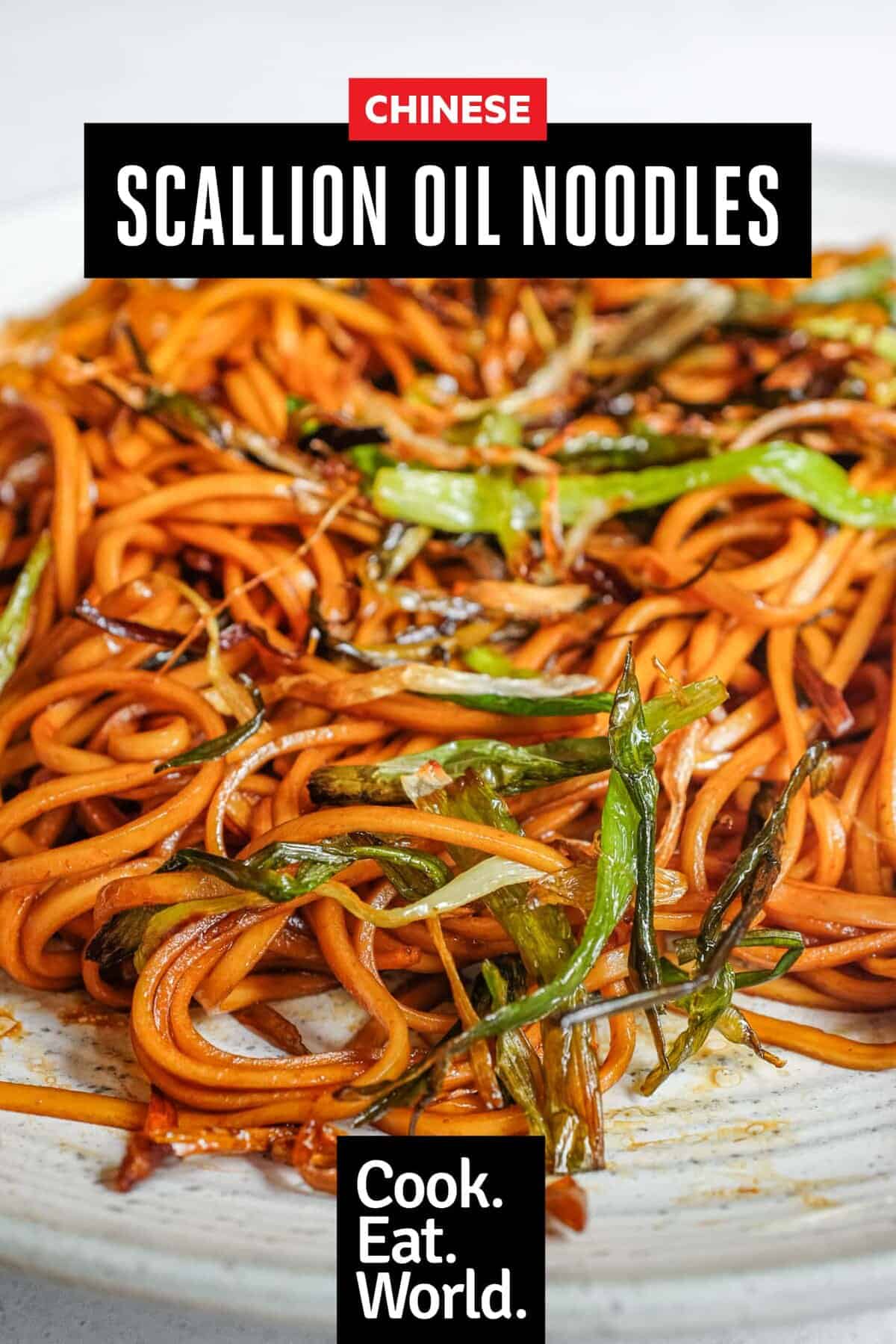


Scallion Oil Noodles (Long You Ban Mian) 葱油拌面
By Lee Jackson ↣ Published on: January 13, 2026
Glossy noodles tossed in fragrant scallion oil, soy sauce and just a touch of sweetness — simple, comforting, and deeply addictive. This scallion oil is liquid gold! Coating each slippery noodle with pure umami heaven.
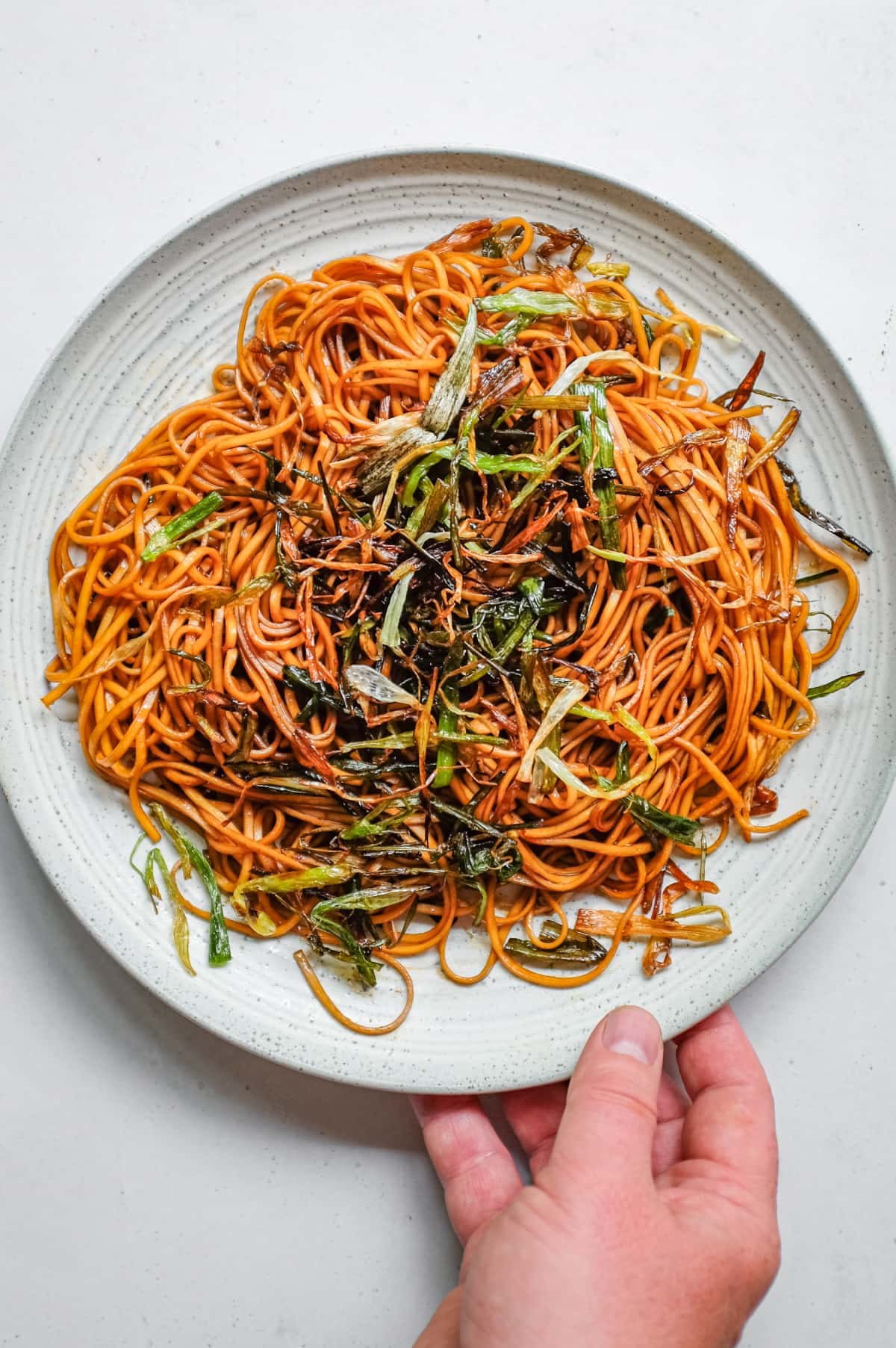
Scallion Oil Noodles, or Long You Ban Mian (葱油拌面), is one of those dishes that seem to defy flavour based on its humble ingredients. Spring onions are gently fried in oil until sweet, aromatic and lightly crisp, then that infused oil becomes the backbone of a glossy soy-based sauce. Tossed through hot noodles, the result is savoury, fragrant, and packed with umami goodness!
This recipe is part of my Asian and Asian Noodles & Rice collections, a what's what of bold, flavoursome Asian cuisine.
What's Ahead?
What are Scallion Oil Noodles?
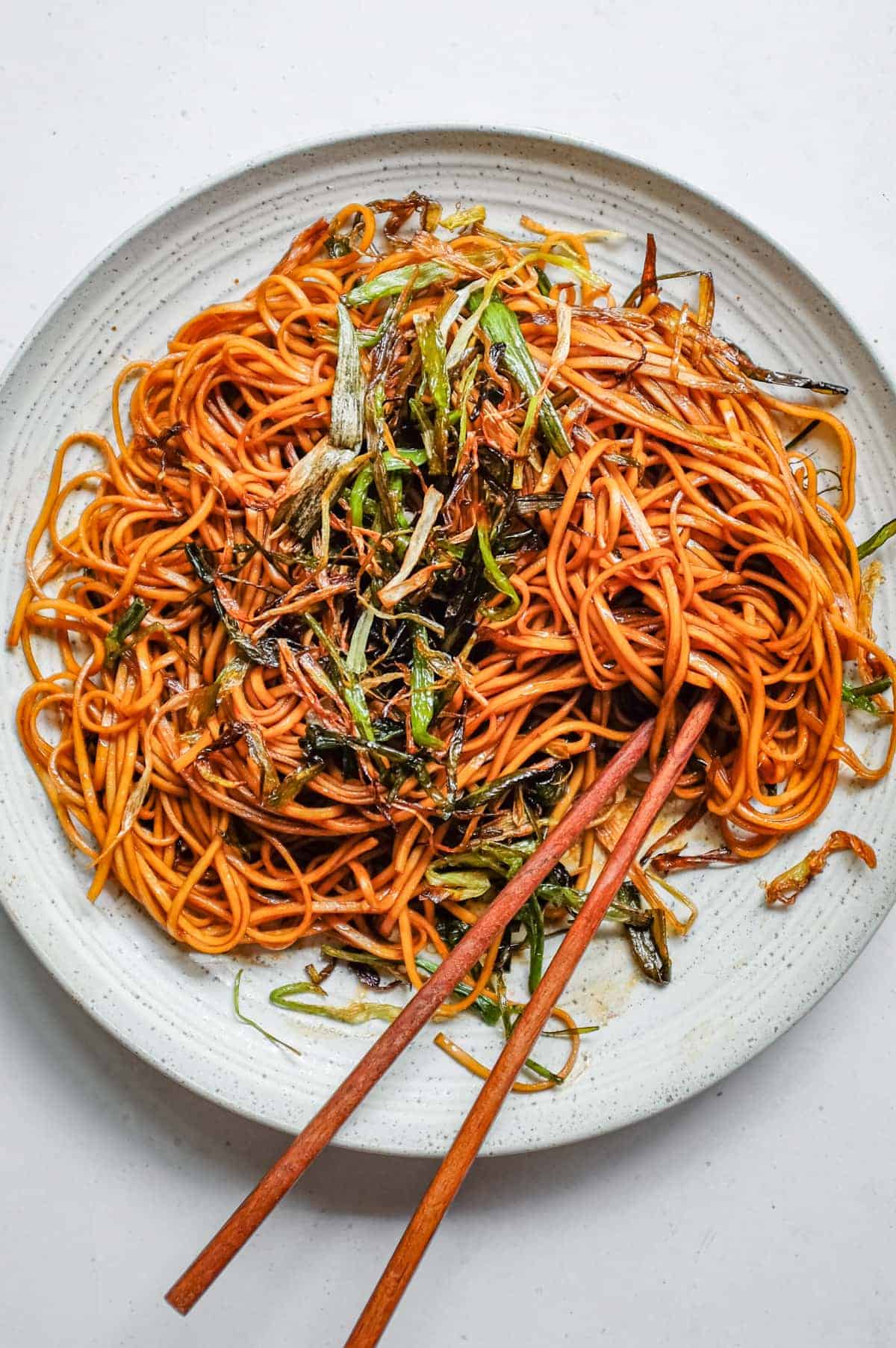
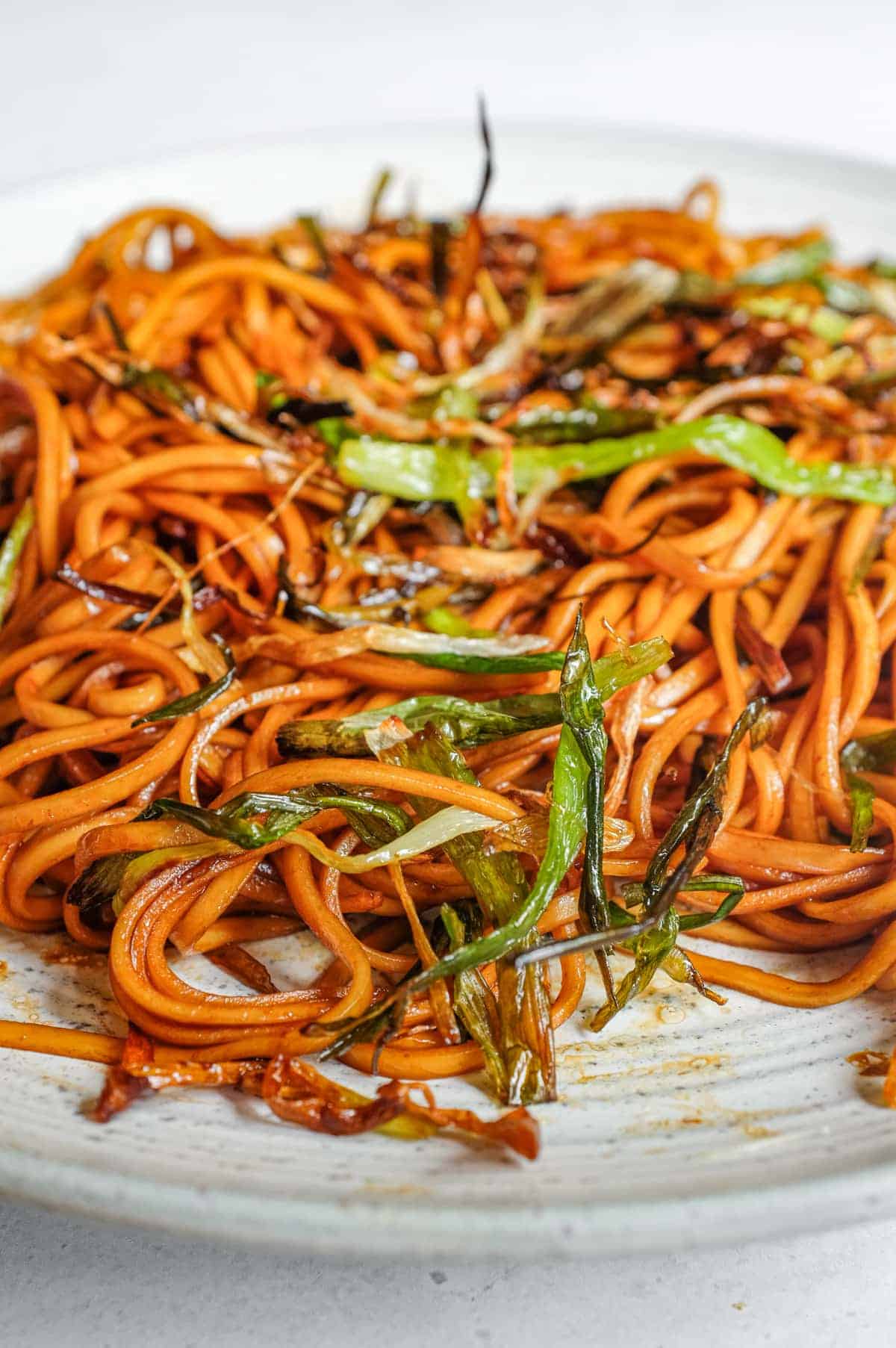
Scallion Oil Noodles are a classic Shanghai dish that squeeze every last bit of flavour from the humble Spring Onion. The onions are slowly fried in oil until aromatic and lightly charred and crisp. The oil becomes fragrant and when combined with salty soy sauces and sugar, create simple dressing, which is tossed with noodles just before serving. There’s no broth, no garnish overload — just noodles bathed in an unbelievably tasty coating.

Why you'll love it
- Big flavour - minimal ingredients
- It's fast - ready in under 20 minutes
- It's naturally vegan - when you use wheat noodles
- Perfect late-night or pantry meal - or a quick side dish for other Chinese favourites

Stuff You'll Need
The ingredients are few, but each brings an essential flavour to the final dish. Here's what you'll need. You can't stray too far from the ingredients for that authentic flavour, but there's nothing here that isn't readily available at any supermarket.
-
Spring onions – Slowly fried to create both crispy topping and aromatic oil. Note: known as green onions (US/Canada) or spring onions (UK/Australia).
- Oil – I use peanut oil as it's neutral and has a high smoke point, ideal for scallion oil
- Light soy sauce – The salty backbone of the sauce
- Dark soy sauce – Adds a lovely caramel and depth of umami flavour
- Sugar – Balances the soy and rounds out the flavour
- Dried noodles – I use dried egg noodles in mine, but dried wheat or ramen noodles (unflavoured) will be good too if you're vegan. You could also use fresh egg or Singapore style noodles.


Step by Step
This dish really is easy to make at home. Here's how the magic happens.
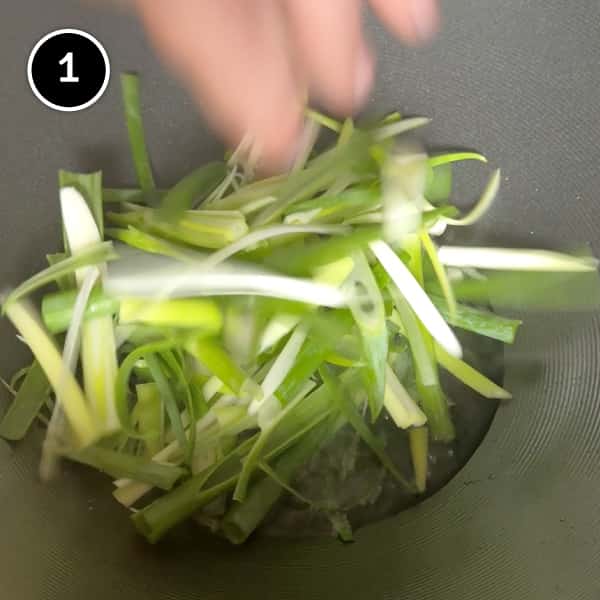
- Heat a wok with the oil over a moderat heat until just hot, not smoking. Add the spring onion.
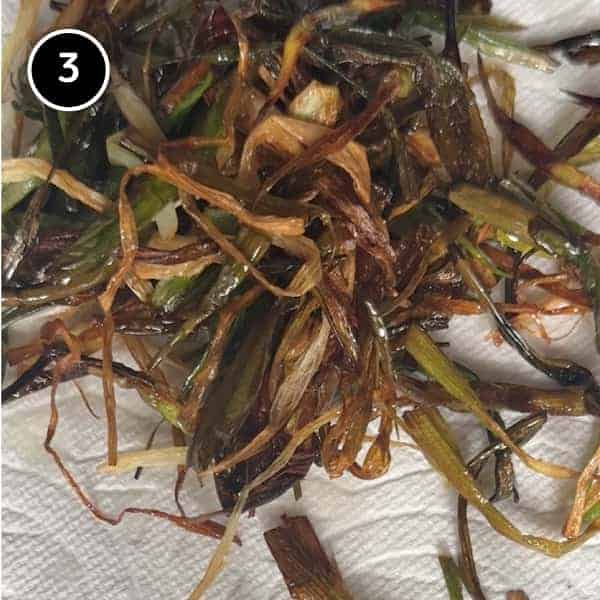
- Let it cook gently for a few minutes until the onions are lightly charred. Turn off the heat.
- Remove the onions with a slotted spoon or spider spoon and drain on paper towels.
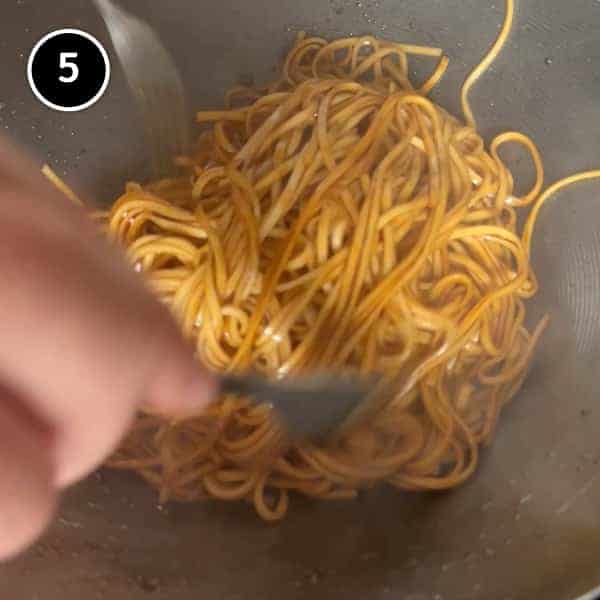
- With the oil still hot, stir in the sugar and soy sauces.
- Toss the cooked noodles through the sauce.
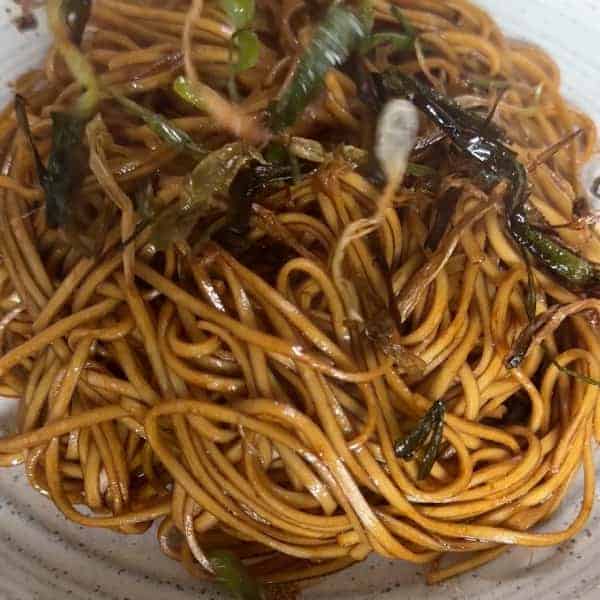
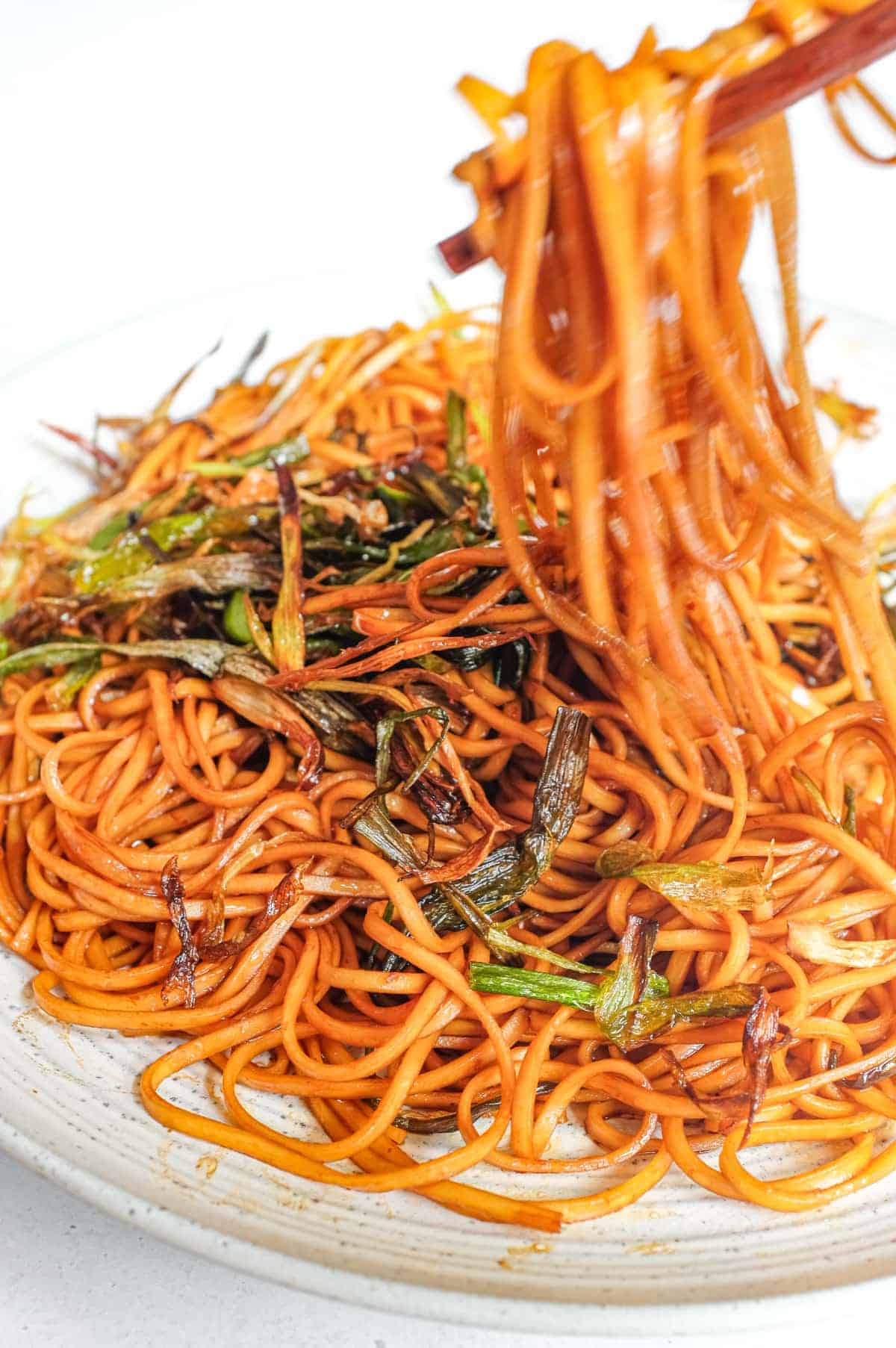
- Serve the noodles topped with the crisp onions.
Substitutions & Variations
While the dish is beautifully balanced as it is, there are a few additions you could make to enhance or give a separate version.
- Spice it up - Add a little chilli oil or fresh chillies at the end to create a spicy version.
- Egg - Scramble two eggs in peanut oil in a separate frying pan and stir into the final noodles.
- Tamari makes a good alternative to soy if you want to make the dish gluten free (alongside a gluten free noodle).
Serving & Storage Suggestions
- Fridge - The noodles hold up surprisingly well in the fridge, for 2-3 days. Reheat in a pan or microwave, just add 1/4 cup of water to help avoid them drying out too much.
- Freezer - I don't recommend freezing scallion oil noodles - the taste and texture suffers too much. It's a quick dish to prepare, so in the time you'd take to defrost and reheat, you can easily whip up a fresh batch.
Ready to get cooking?
If, like me, you love dishes that feel comforting and quietly indulgent, Scallion Oil Noodles deserve a place in your regular rotation. I'm all about flavour and these silky little treasures deliver big on that! Be sure to give this recipe a try and let me know if you agree...
More Chinese recipes
If you liked this recipe for Scallion Oil Noodles, I'm sure you'll love some more of my best Chinese recipes.
- Ginger Scallion Sauce (my FAVOURITE Chinese sauce for dipping)
- Chicken Foo Young
- Duck Congee
- Chinese Snow Pea Shoots with Garlic
- Taiwanese Three Cup Chicken
Any Questions? (FAQ)
Have a question about scallion noodles? Let me know in the comments.
Are scallion oil noodles vegan?
The dish can be made vegan easily by using wheat or non-egg noodle.
What noodles work best?
Thick egg noodles are traditional, but wheat or fresh noodles work well too.
Should the scallions be crispy or soft?
Lightly crisp and deeply aromatic, not burnt.
This recipe uses affiliations and may receive a commission based on your activity (link clicks). Learn more.
Ingredients
- ⅓ cup peanut oil (or neutral oil)
- 225 g spring onions (julienned) (8oz)
- 2 tbsp light soy sauce
- 3 tbsp dark soy sauce
- 2 tsp sugar
- 340 g dried noodles (thick egg noodles)(12 oz)
Instructions
- Heat oil in a wok over medium-low heat until just warm, not smoking.
- Add spring onions and fry gently for 5–6 minutes until lightly charred and crisping.
- Remove scallions and drain on paper towels.
- Off the heat, stir soy sauces and sugar into the oil. Let bubble briefly in residual heat, then set aside.
- Cook noodles according to packet instructions and drain well.
- Reheat sauce until just bubbling, remove from heat, then toss noodles to coat.
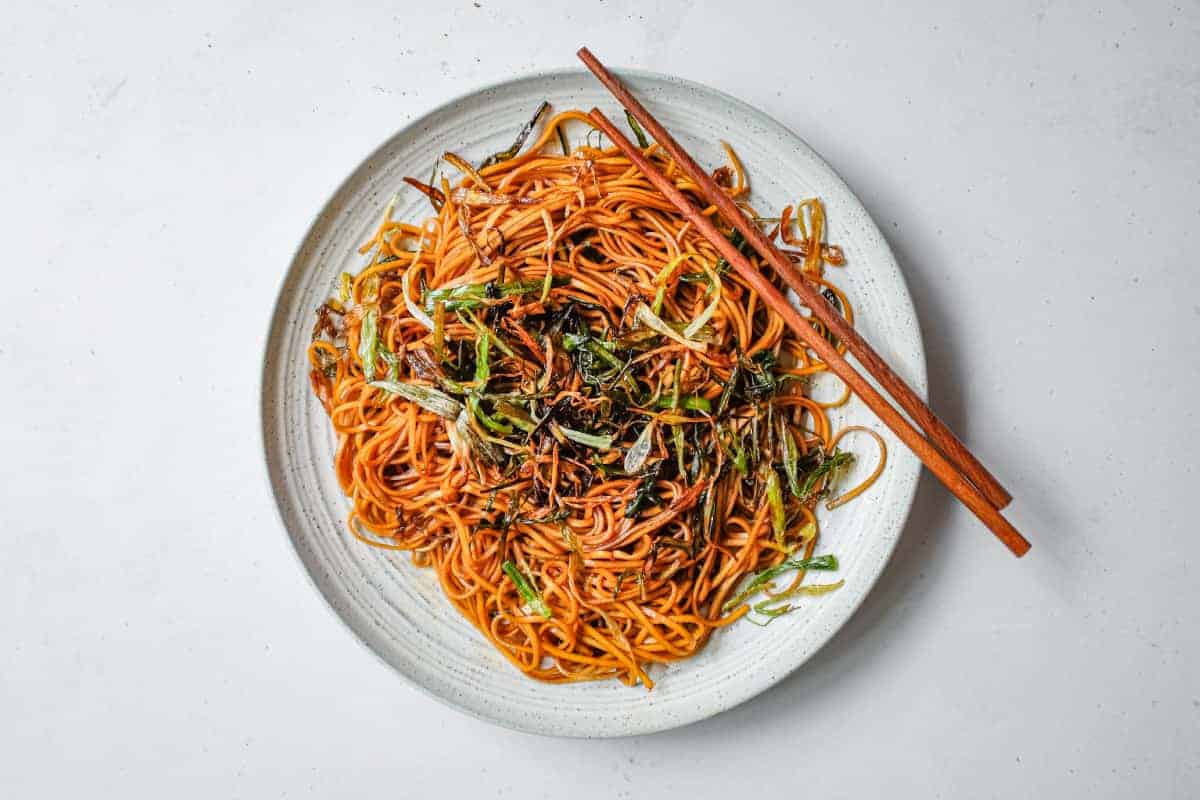
- Serve topped with crispy scallions.
Notes
- Spice: Add chilli oil or fresh chillies at the end for heat.
- Egg: Softly scramble 2 eggs in peanut oil and fold through the noodles before serving.
- Soy sauce alternative: Use tamari with gluten-free noodles for a gluten-free version.
- Fridge: Keeps well for 2–3 days. Reheat with about ¼ cup water to loosen and prevent drying.
- Freezer: Not recommended — texture and flavour suffer. Best made fresh.
Nutrition
These look like they would be good and I plan to make them.
However, egg noodles are not vegan.
Thanks for the feedback, I should have been clearer in the description, I’ve updated the text to show how wheat noodles can be used if you’re vegan.