
Peposo Alla Fornacina (Tuscan Beef Stew)
By Lee Jackson ↣ Published on: November 13, 2020
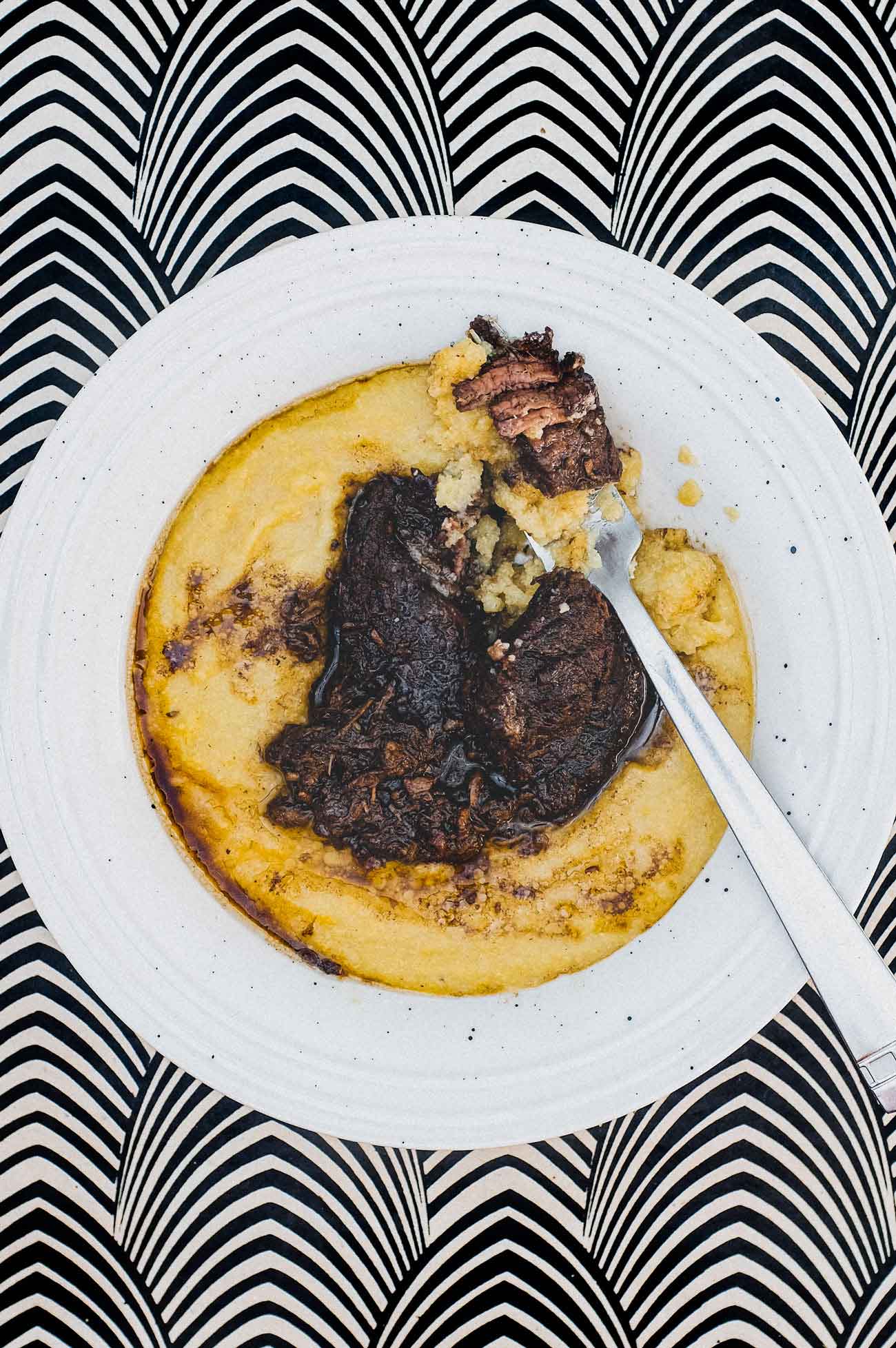
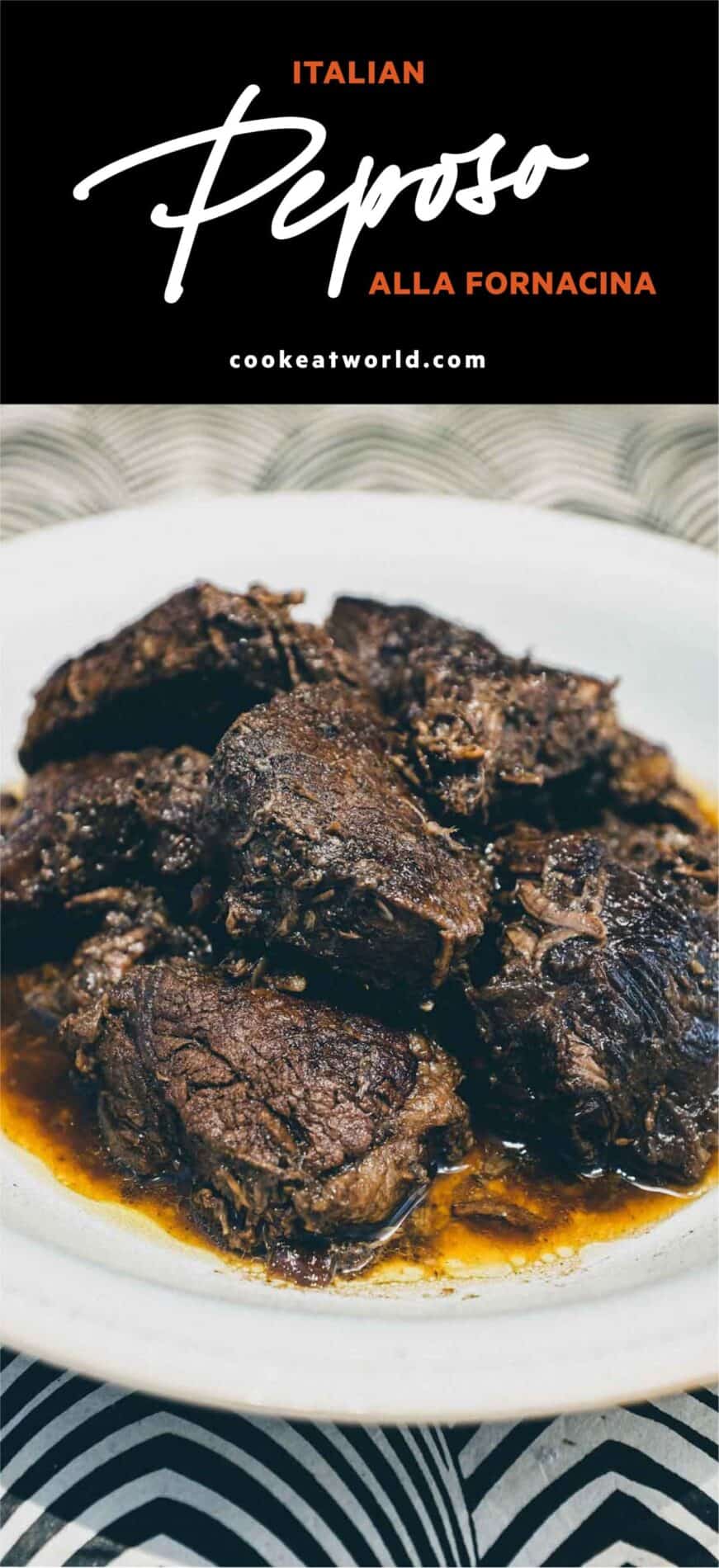
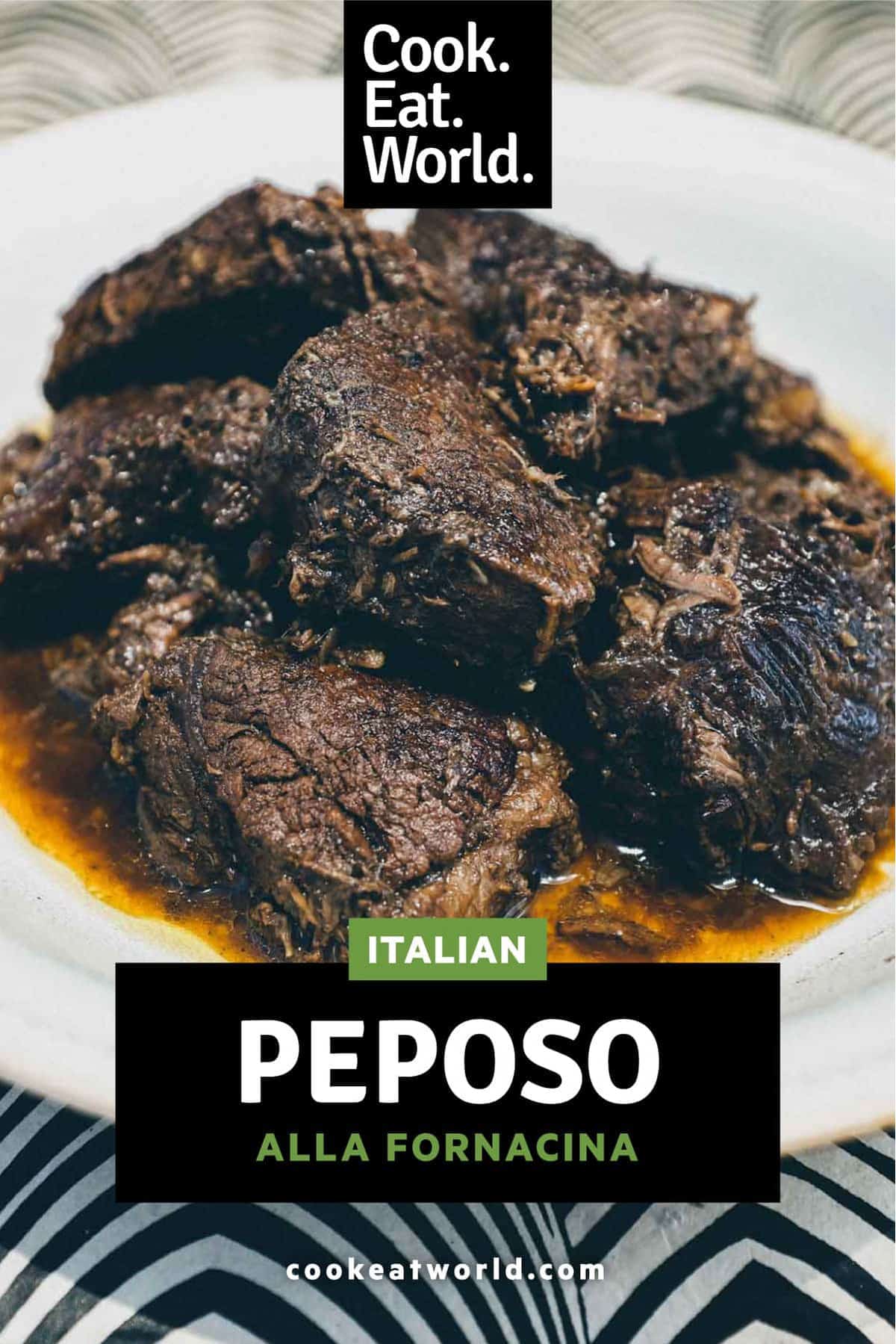
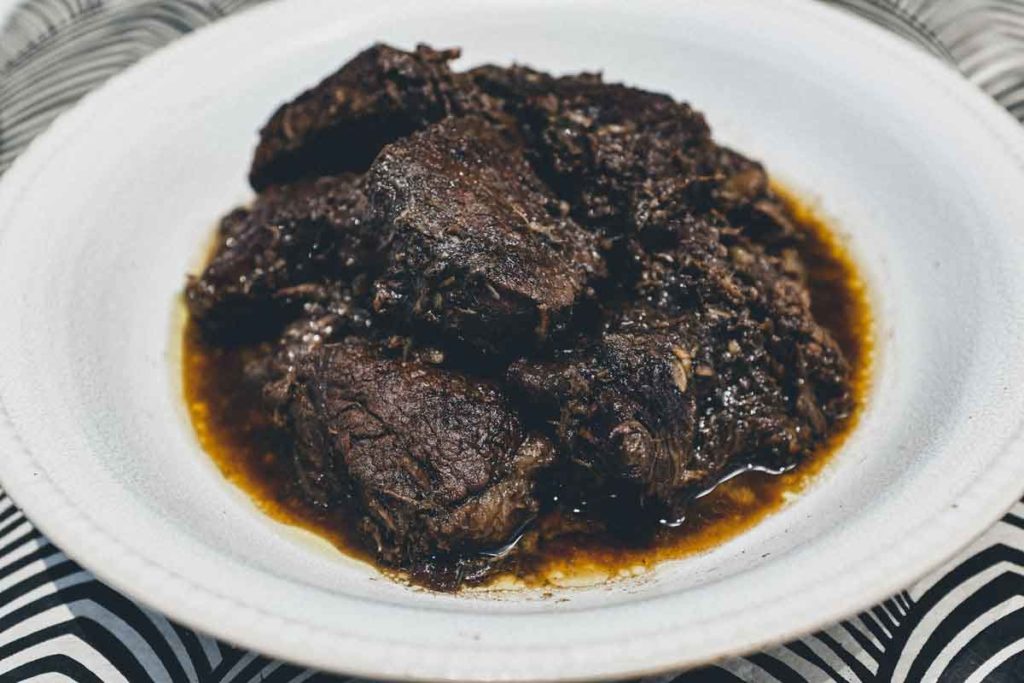
I'm always amazed how delicious some Italian dishes can taste with such little effort. Peposo Alla Fornacina a wonderful Tuscan Beef & Black Pepper Stew, is one such marvel. Very few ingredients go into its making, but the results are nothing short of miraculous. Soft, meltingly tender beef is stewed until it gives up the fight and creates a rich, decadent and impossibly fragrant sauce. It's simple Italian fare at its very best.
I've been cooking this for 20+ years and over that time my recipe has become more and more pared back until I reached my favourite version here. I used to add all manner of extraneous ingredients, but the stew didn't need them. This is my final version, and delicious at that - no more removals!
If truth be told, I ate peposo in Tuscany as part of a legendary meal back in 2010 that was so large I have never replicated how full I was. The dish I was served was flavoured with marjoram, which led me to include more herbs in my version.
Peposo, as it's nicknamed, sits within my Italian and Italian Comfort Food collections, offering even more delicious ideas to try. Looking for more Italian regional favourites? Explore my 20 Regional Italian Recipes Inspired by my Travels.
What's Ahead?
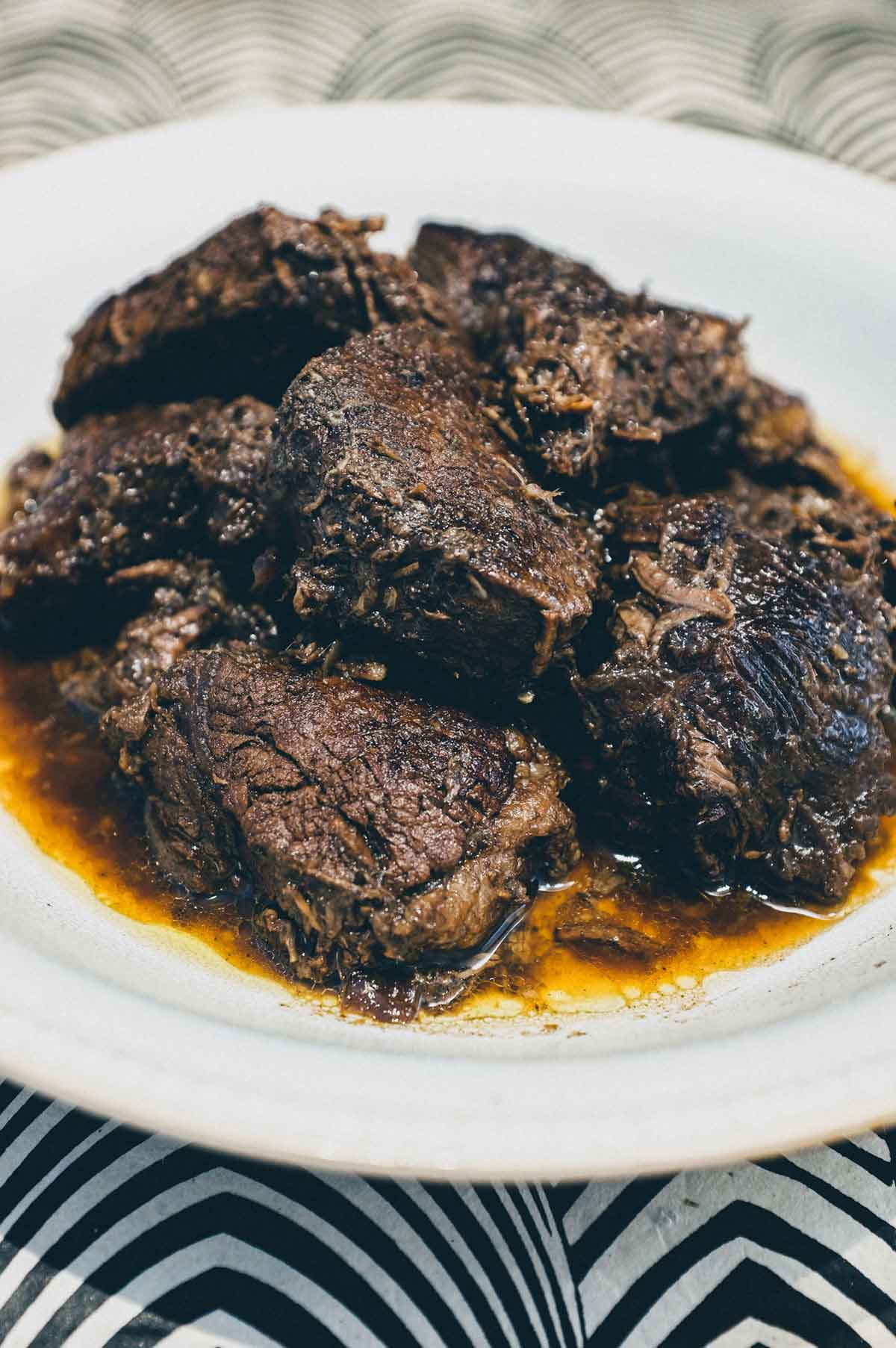
What is Peposo Alla Fornacina
In its essence, Peposo Alla Fornacina (or simply 'Peposo' as it's typically referred to) is a beef and black pepper stew hailing from Impruneta, Tuscany. Black pepper, red wine, garlic and beef (sometimes a touch of tomato too) are the traditional ingredients. There's a slight twist for my Peposo Alla Fornacina recipe with the appearance of fresh herbs.
“Alla fornacina” refers to the fornacini—the kiln workers of Impruneta, a Tuscan town famous for its terracotta. They traditionally placed earthenware pots of beef, wine, garlic and pepper near the mouths of their kilns, where the residual heat slowly tenderised the meat while they worked. “Peposo” comes from pepe, the Italian word for pepper, reflecting the generous quantity of peppercorns used.
Typically, the lead flavour comes from Chianti wine and black pepper (lots of it). You'd think that the pepper would create a spicy dish, but you'd be mistaken - the finished stew is rich and flavourful with a tiny hint of spice. A wonderfully mellow affair.
Why my recipe?
- It's easy! - This Peposo recipe is SO simple to make. What few ingredients there are make their way into a pan and then we just let some low and slow magic happen.
- It's full of flavour - the wine, pepper and herbs bring all the flavour to this dish and there's no need for much else.
- It tastes better over time - made the day before, peposo just keeps developing in flavour and gets better and better. If you are organised (or disciplined enough), then make this one in advance and taste the difference.
- It's tried and tested - I've gone through a few versions of my recipe over time, and after living in and visiting Italy over the last 40 years, I've caught on that Italian food really is about quality ingredients and simplicity of cooking.
Stuff You'll Need
There's not a lot that goes into Peposo, but in true Italian fashion, each simple ingredient plays a key role in the success. Here's where the flavour lies...
- Beef - Use a stewing beef like chuck. And truth be told, a little marbled fat will help too, so don't be too obsessed with removing all the fat. You could use beef cheeks too.
- Red wine - given it's a Tuscan stew, a nice Chianti or Sangiovese will work. But any dry red is fine to be honest.
- Garlic - adds a little backbone to the sauce
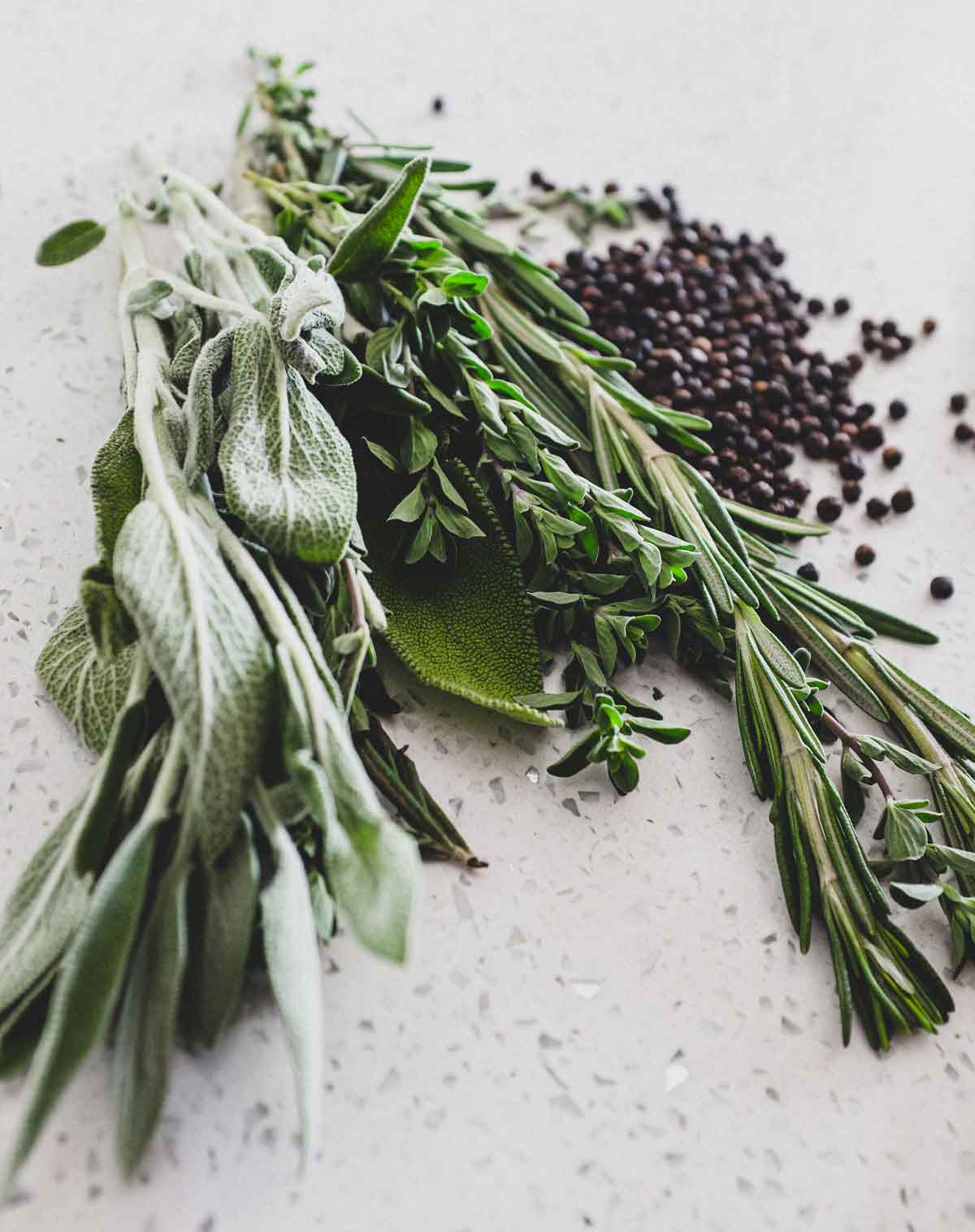
- Black peppercorns - this is a dominant flavour and a great counterpart to the fruity wine. There's a whole 2 tablespoons too.
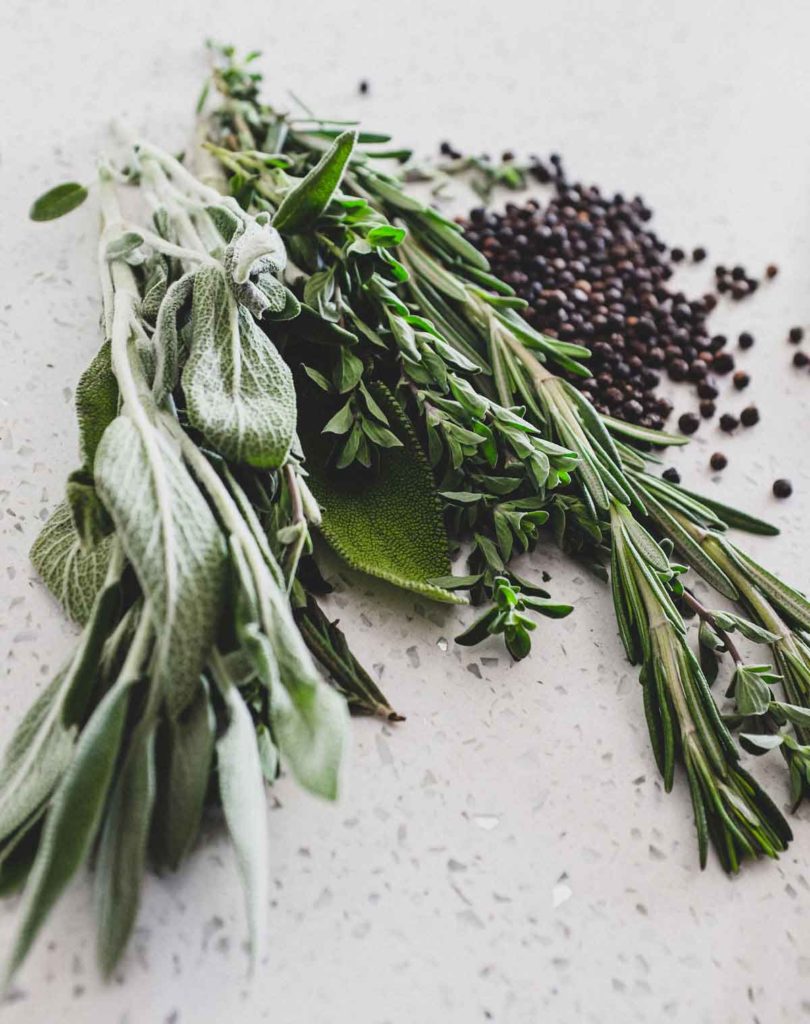
- Fresh herbs - I use herbs in my Peposo to really create a flavour explosion. My go to's are sage, marjoram and rosemary. I always use fresh for the best possible flavour.
Step by Step
Making Peposo is so easy. You're not really doing much other than waiting for a few hours, so enjoy the delights wafting through the house while you wait... I cook my peposo on the stovetop.
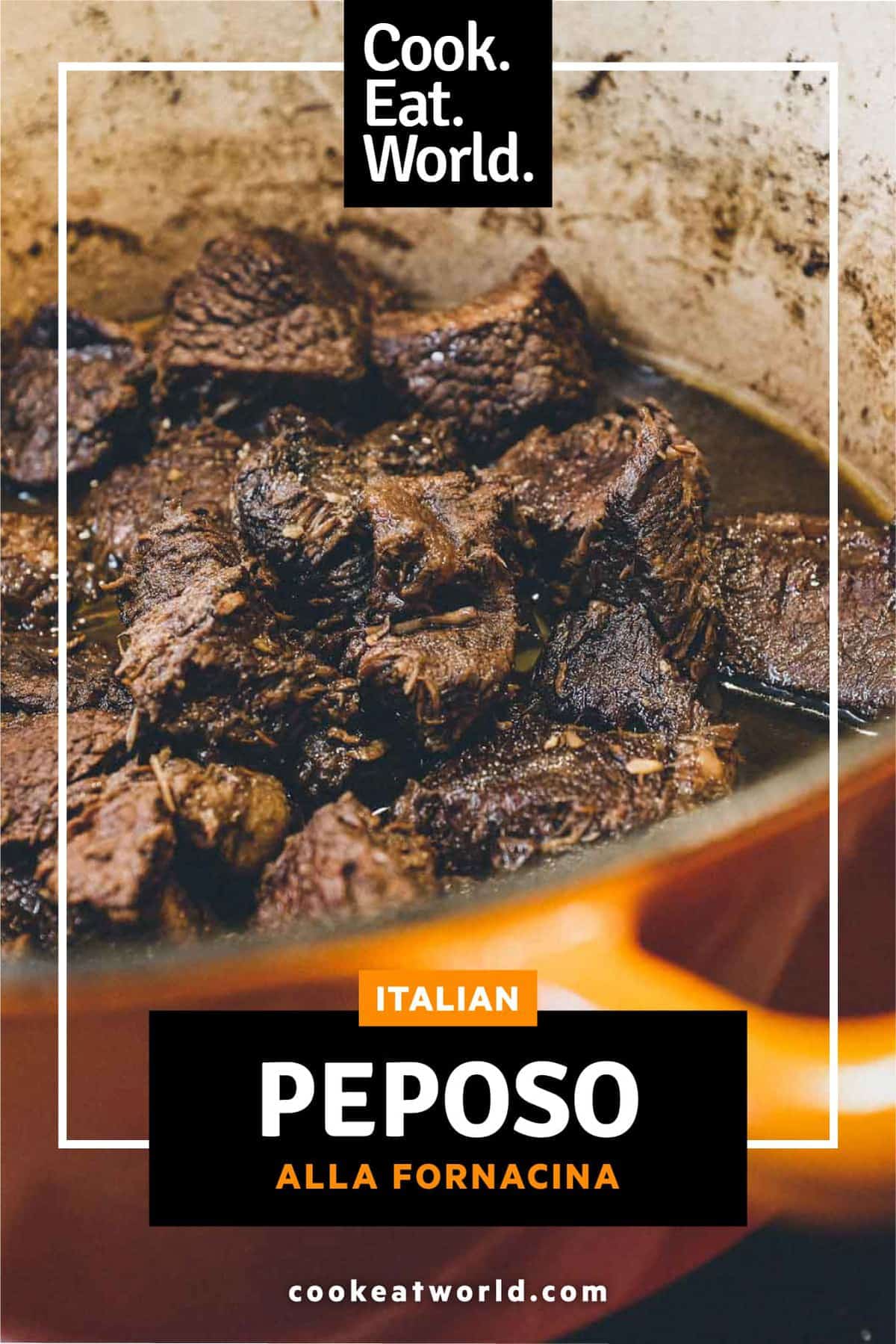
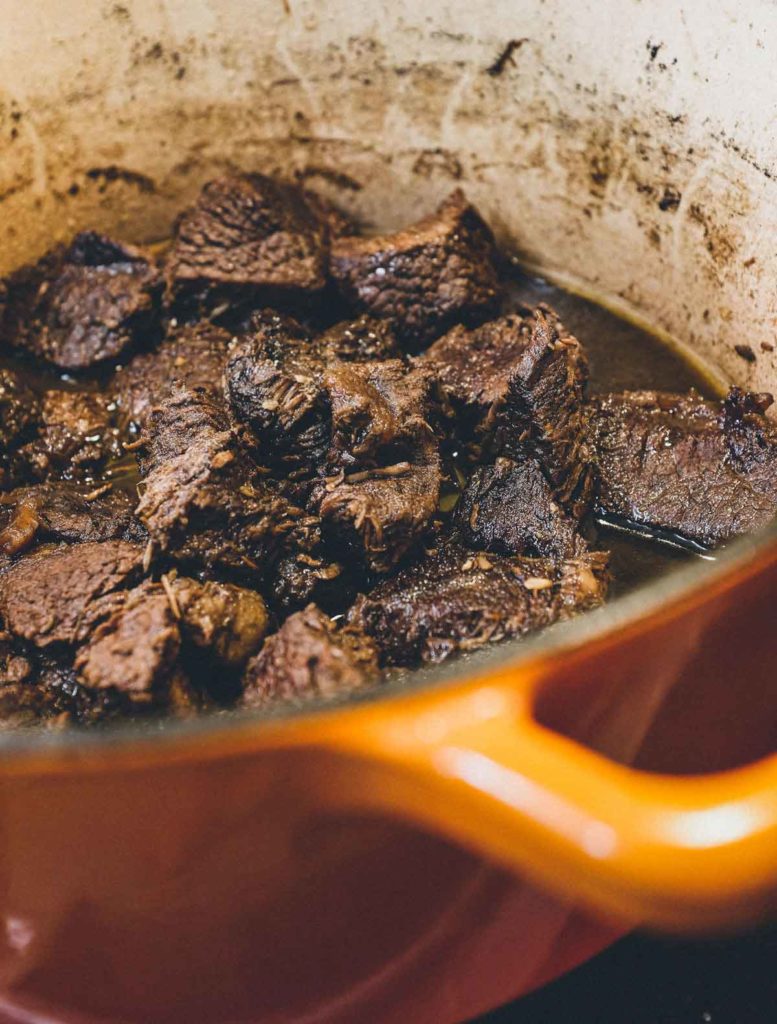
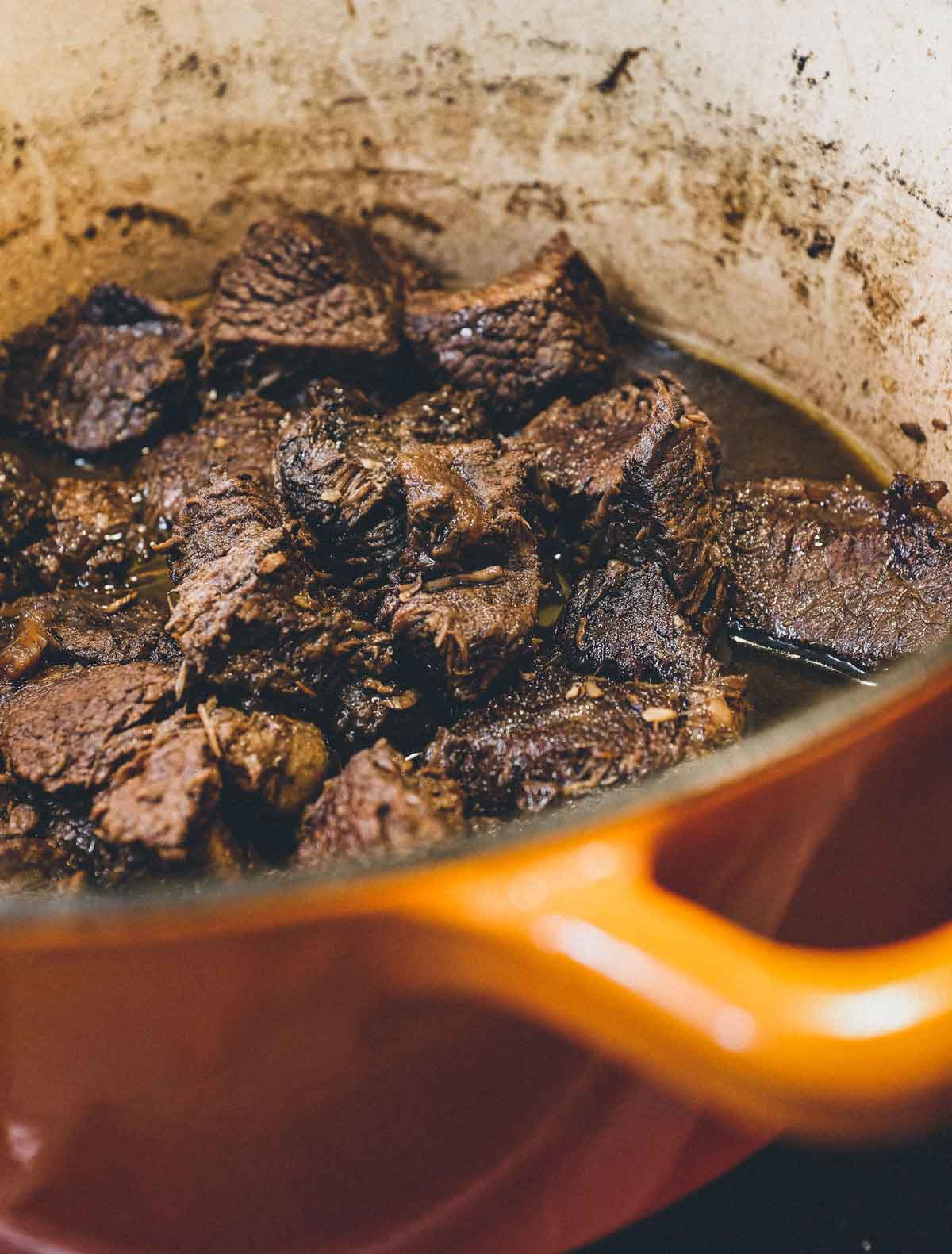
- Step 1 - In a Dutch oven or cast iron pot, brown the beef in batches to develop a light crust, which adds more flavour to the finished stew.
- Step 2 - Add the other ingredients. I like to use herb bags that I can put the black peppercorns and herbs into so that I can fish them out later without any fuss.
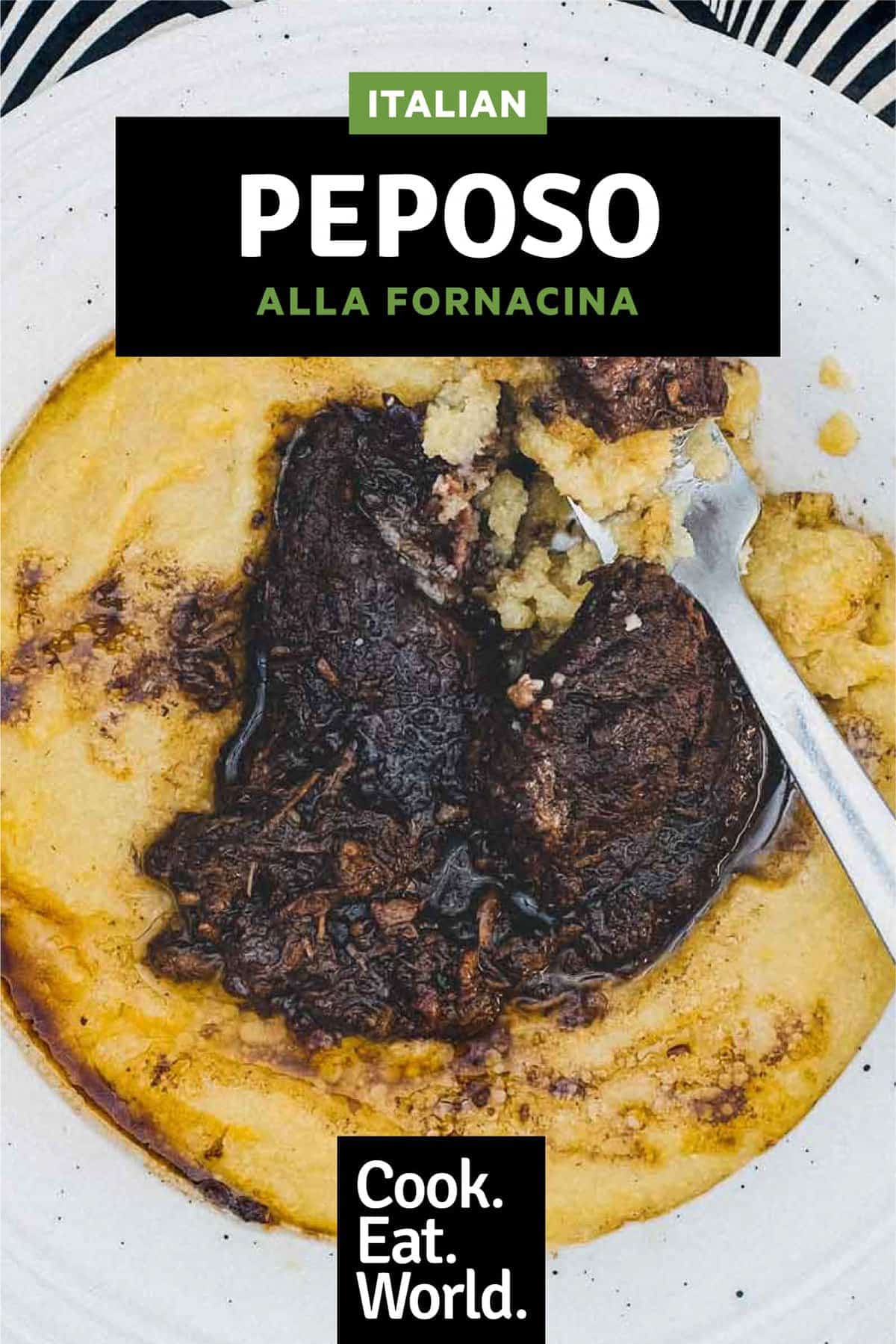
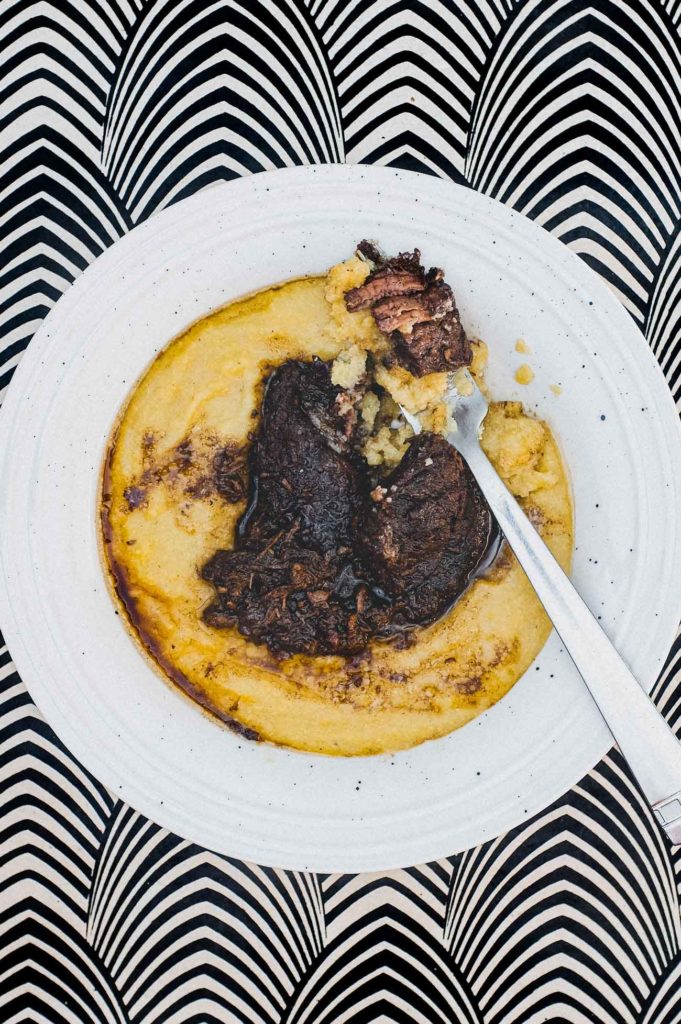
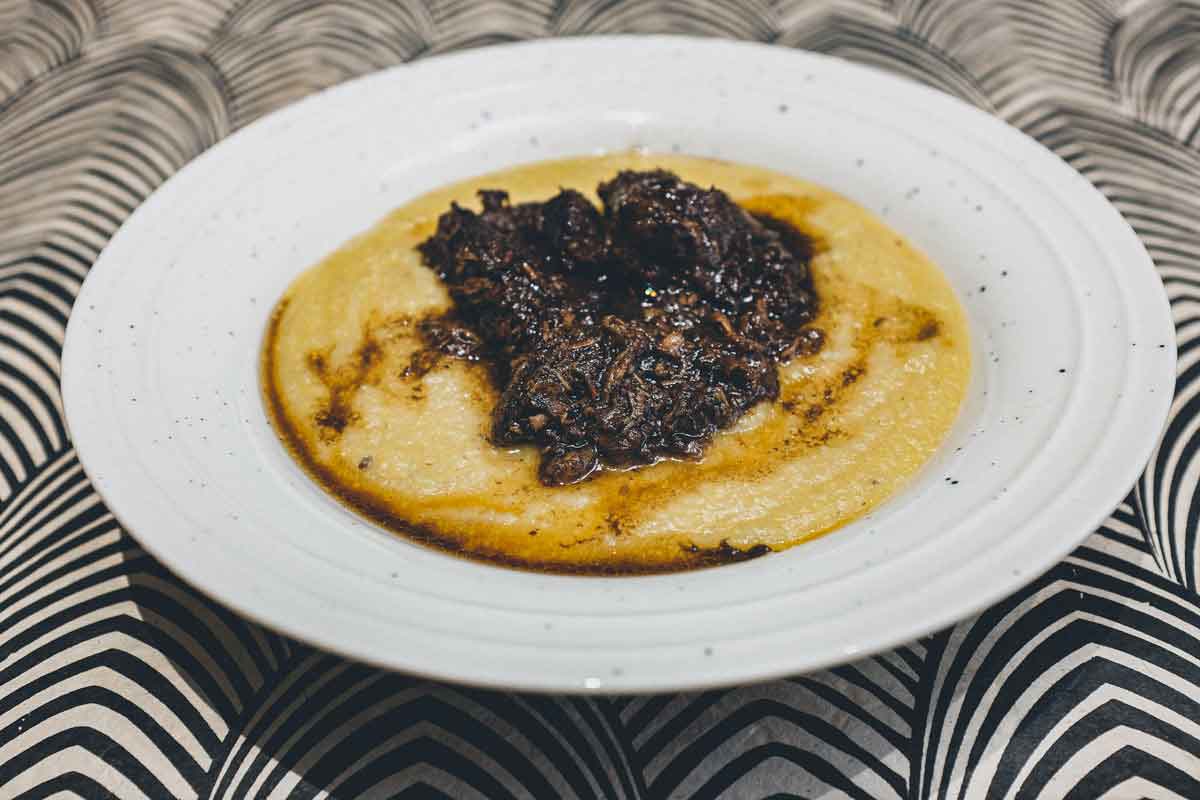
- Step 3 - After 3 hours or so, I reduce the remaining sauce down a bit and then serve. Typically I'll serve mine over creamy polenta but I have more suggestions below.
Pro Tips
- Alternative herbs - I generally stick to a mix of woody herbs for Peposo, so think rosemary, thyme, oregano, marjoram, sage, bay leaves and parsley.
- Make ahead - as I mentioned earlier, the flavour gets better the next day. Pop it in the fridge for 24 hours and you'll see what I mean.
Serving Suggestions
There are a few great ways to serve Peposo Alla Fornacina; here are some of my favourites.
- Over creamy polenta - I like a cheesy, creamy polenta topped with the beef and a little sauce.
- Over risotto - a simple risotto topped with a spoonful of peposo is a triumph
- Over potato - creamy, buttery mashed potato is the perfect vehicle for Peposo!
- Pasta - Use some of the sauce and toss through thick ribboned pasta like pappardelle and top with a little of the meat.
- Stuffed pasta - if you're feeling super super fancy, using some of the meat to create stuffed ravioli following the same principles as my wonderful Osso Buco Ravioli then use a little sauce drizzled over the ravioli.
- Two courses - Serve the sauce through pasta first (primi), then the meat with vegetables for the main course (secondi).
Storage
- Fridge - Keep in an airtight container for 4-5 days in the fridge. The flavour just gets better by the way.
- Freezer - Peposo is a great freezer option. Keep in airtight containers. Reheat from frozen or defrosted until piping hot. I'll often add around 1/4 cup water to the top of a frozen portion when reheating in the microwave to avoid it drying out.
Ready to get cooking?
Peposo is a great example of how Italian cuisine makes the very most out of very few ingredients. Juicy, tender and supercharged with flavour. It's one of the dishes that reminds me when I create new recipes that, where Italian food is concerned, less is more.
Peposo Alla Fornacina is one of my favourites to make at home because it has all the flavour, without any drama, and never fails to hit the spot reserved for Italian comfort food.
More Italian recipes
If you like this recipe for Peposo, then you're sure to love one of my other Italian winter warmers.
Frequently Asked Questions (FAQ)
Have a question about Peposo Alla Fornacina? Let me know in the comments.
What is the best cut of beef for Peposo?
Beef chuck is my preferred cut because its marbling and connective tissue soften during the long cooking time, producing tender meat and a rich sauce. Beef cheeks also work particularly well. Avoid lean, quick-cooking cuts, which can become dry after several hours of stewing. I leave a little fat on the beef because it adds flavour and body to the finished dish.
Does three tablespoons of black pepper make Peposo very spicy?
Surprisingly, no. Two tablespoons sounds excessive, but whole black peppercorns mellow as the stew cooks and give the sauce warmth and fragrance rather than fierce heat. I place the peppercorns in a muslin herb bag so they can be removed easily before serving. For a stronger pepper flavour, lightly crush some of the peppercorns first.
Which wine should I use for Peposo?
Chianti or another dry Sangiovese is the natural choice for this Tuscan stew, but any dry, medium-bodied red wine will work. Choose a wine you would be happy to drink and avoid sweet or heavily oaked varieties. The wine is a major component of the sauce, so its flavour will be noticeable in the finished dish.
How do I know when the Peposo is ready?
The Peposo is ready when the beef yields easily to a fork and is tender enough to cut with a spoon. This normally takes up to three and a half hours of gentle cooking, although the exact time depends on the size and cut of the beef. If the meat is still firm, continue cooking it. Once tender, remove the beef and reduce the sauce until it is rich and lightly coats the back of a spoon.
Can I make Peposo ahead of time?
Yes—Peposo is actually better when made a day in advance. Cool it promptly, cover and refrigerate it, then gently reheat it until piping hot before serving. Resting overnight allows the wine, pepper, garlic and herbs to develop into a deeper, more rounded flavour. Leftovers keep in an airtight container in the refrigerator for four to five days and can also be frozen.
This recipe uses affiliations and may receive a commission based on your activity (link clicks). Learn more.

Video Recipe
Ingredients
- 2 tbsp olive oil
- 2.2 lb beef (marbled stewing beef, cut into large chunks, around 5cm/2-inches)
- 1 bottle red wine (Chianti, preferably)
- 3 garlic cloves (peeled and sliced)
- 2 tbsp black peppercorns
- 1 bunch mixed herbs (I used a mixture of sage, marjoram and rosemary) (around 25g/1oz)
- 1 tsp salt
Instructions
Making the bouquet garni (herb bag)
- In a small herb bag (or using cheesecloth/muslin), wrap the herbs and black peppercorns. Set aside.
Making the stew
- Heat the oil in a large casserole pot or Dutch oven until hot. Add some of the meat pieces and brown on all sides (around 3-4 minutes), remove and fry the remaining pieces.Add all the meat back to the pan and then add the garlic, and herb/pepper bag.Pour in the whole bottle of red wine, plus a little water to help cover the beef.Let the liquid come to a simmer then reduce the heat to very low, so that the sauce is very gently bubbling.Pop on a lid and cook for 3 hours, stirring occasionally.Remove the lid and cook for another 30 minutes to reduce the liquid. If after 30 minutes the liquid needs to be reduced more, just turn up the heat and reduce until the sauce is reduced enough to cling to the meat.Remove the herb/pepper bag and serve.
- I like to serve mine with lashings of creamy, cheesy polenta. I'll also often serve with creamy mashed potato too and on occasion, nothing more than a loaf of crusty bread. You decide.
Notes
- Beef: Use a well-marbled stewing cut such as chuck or beef cheek. Leave some fat attached—it enriches the sauce and helps keep the meat succulent.
- Wine: Chianti or another dry Sangiovese is ideal, but any medium-bodied dry red wine will work. Avoid sweet or heavily oaked varieties.
- Pepper: Two tablespoons of whole peppercorns create a mellow warmth rather than fierce heat. Lightly crush some for a stronger pepper flavour.
- Herbs: Use about 25 g (1 oz) of mixed fresh rosemary, sage and marjoram, including the stems. Tie them in muslin for easy removal.
- Browning: Brown the beef in small batches so it develops a deeply savoury crust without steaming.
- Cooking time: Allow approximately 3 hours covered, followed by 30 minutes uncovered to reduce the sauce.
- Doneness: The beef is ready when it yields easily to a fork or can be cut with a spoon.
- Sauce: If the sauce remains thin, remove the beef and simmer the liquid until it lightly coats the back of a spoon.
- Make ahead: Peposo tastes even better the following day. Prepare it up to two days ahead, refrigerate and reheat gently until piping hot.
- Storage: Refrigerate in an airtight container for 4–5 days or freeze for up to 3 months. Add a splash of water when reheating if the sauce has become too thick.
Nutrition
This was so easy! The whole family loved it. We ate with roast potatoes and vegetables. I used rosemary and oregano as it was all I had and the results were surprisingly delicious.
Thankyou. It’s a super easy stew for sure. Glad you all enjoyed!
This looks so easy. I must try! Thanks
It’s the perfect time of year for a peposo! Thanks!